
- Core strategy: Own the gap narrative in your headline so recruiters do not fill blanks with negative assumptions.
- Recruiter biases: Disarm “rust,” “competence decay,” and “desperation” by leading with role, durable hard skills, and confident availability.
- Bridge Framework: Use Core Identity | Value Proposition | Bridge Statement to anchor expertise first, then signal return status.
- Scenario playbook: Adjust wording for layoffs, caregiving, intentional sabbaticals, or health breaks by staying brief, neutral, and forward-looking.
- SEO and mistakes: Keep the target job title first for search, inject hard-skill keywords, and avoid “unemployed/looking,” over-explaining, or vague headlines.
The Strategic Art of Narrative Control: Owning Your Career Gap
In the high-stakes narrative of your professional life, silence is often interpreted as a liability. When an executive recruiter or a hiring manager scans your LinkedIn profile and encounters a timeline that halts six months, a year, or two years ago, a psychological mechanism kicks in immediately. Their brain attempts to fill in the blank. If you do not actively control that narrative – specifically within the prime real estate of your LinkedIn headline for career gap situations – their imagination will fill it with assumptions you cannot afford: Is their skill set obsolete? Were they managed out? Have they lost their professional edge?
The conventional, outdated advice often tells you to “hide” the gap, hope nobody notices, or conversely, to “explain it away” with apologetic language. Both approaches are defensive postures that signal weakness. As a Content Strategy Expert, I am telling you to do the opposite: Own the narrative. Your headline is not a place for apologies; it is a platform for strategic positioning.
Whether your gap was triggered by a market-wide layoff, a necessary health recovery, the demanding role of full-time parenting, or a deliberate sabbatical to expand your worldview, the strategic goal remains constant: You must shift the recruiter’s focus from the question “Why aren’t they working?” to the realization “Look at what they are capable of doing right now.”
This is not merely a list of templates to copy and paste. This is a comprehensive masterclass in psychological positioning and personal branding. In this guide, we will dismantle the stigma surrounding the career break, equip you with C-Level frameworks to structure your return, and provide granular, battle-tested scripts to craft a headline that commands respect and drives opportunities, regardless of how long you have been away from the traditional workforce.
The Recruiter’s Mindset: Decoding the “Gap Bias”

To win the game of attention, you must first understand the rules of the players. Recruiters are not inherently malicious, but they are professionally risk-averse. They operate under immense pressure to place candidates who will “stick.” When they encounter a job seeker after career break, three specific, subconscious psychological biases are triggered. Your headline must be engineered to disarm these biases instantly.
1. The Continuity Bias (The Fear of Rust)
Human beings, and specifically hiring algorithms, prefer unbroken patterns. A gap represents a fracture in the pattern, which the brain interprets as “risk.” The immediate fear is “Rust” – the idea that your skills have atrophied or you are out of touch with the latest industry trends (e.g., AI adoption, new compliance laws, updated software stacks).
🎯 The Strategic Fix: Your headline must artificially create a sense of continuity. By using forward-looking, active language (e.g., “Returning,” “Ready,” “Targeting,” “Upskilling”), you build a bridge over the gap. You are telling them: “I haven’t stopped; I have just paused the payroll.”
2. The Competence Decay Fallacy
There is a widespread, albeit incorrect, belief that competence decays linearly with time out of office. If you have been out for two years, the recruiter subconsciously downgrades your seniority.
🎯 The Strategic Fix: You must anchor your headline in Permanent Hard Skills. A certification like “CPA,” “PMP,” or “Six Sigma Black Belt” does not expire just because you took a year off. By leading with these enduring credentials, you remind them that your value is inherent to you, not your employment status.
3. The Desperation Signal
Recruiters recoil from desperation like a physical force. Headlines that scream “Desperately looking for work,” “Please hire me,” or “I will do anything” are career suicide. They signal that you need them more than they need you, which destroys your negotiation leverage.
🎯 The Strategic Fix: The strategy we will deploy focuses on Availability as an Asset. In a market where top talent usually has a 3-month notice period, your ability to start “Immediately” is a competitive advantage. You are not “unemployed”; you are “available for immediate impact.”
The “Bridge” Framework: The Core Formula

Do not simply throw random keywords together. To construct a headline that converts, use the Bridge Framework. This formula is designed to acknowledge the past (your expertise), respect the present (your status), and point aggressively to the future (your target).
The Formula: [Core Identity/Role] | [Value Proposition or Hard Skill] | [The Bridge Statement]
| Component | Purpose | Examples |
|---|---|---|
| 1. Core Identity | Anchors you in your profession, preventing the gap from defining you. | Marketing Director, Java Developer, Senior HRBP, Financial Controller |
| 2. Value Prop | Reminds them why you are expensive/valuable. Focus on hard ROI. | Growth Strategy, Full Stack, Talent Acquisition, Cost Reduction |
| 3. The Bridge | Contextualizes the gap or signals readiness to return. | Returning to Work, Career Sabbatical Concluded, Available Now |
Applying the Framework in Practice:
The Weak Approach:
“Unemployed Marketing Manager looking for work.” (Defines you by lack of work).
The Strong Approach:
“Marketing Director | Brand Strategy & Digital Growth | Returning Professional Ready for Leadership”
(Defines you by expertise)
This structure forces the reader to acknowledge your title (“Marketing Director”) before they even process your status (“Returning”). You have anchored your value first, making the gap a secondary detail.
Scenario 1: The “Involuntary” Gap (Layoffs & Long Job Hunts)

This is the most common scenario in today’s volatile economy. Layoffs are not a reflection of your worth, but a long job search (6+ months) can feel demoralizing. If you have been out for a significant period due to a tough market, your headline must scream Active Maintenance.
Do not let them think you have been sitting on the couch waiting for the phone to ring. Even if you haven’t had a paid job, position yourself as an active participant in your industry.
High-Impact Headlines for Job Seekers
- ℹ️ Senior Tech Recruiter | Talent Acquisition Strategy & Sourcing | Open to Work | Active in HR Tech Community
- ℹ️ SaaS Sales Representative (AE) | Hunter & Closer Strategy | Staying Sharp via Sales Training | Available Immediately
- ℹ️ Software Engineer | Python & React Specialist | Building Open Source Projects | Ready for New Challenges
- ℹ️ Project Manager | PMP Certified | Agile & Scrum Methodology | Available for Contract or Full-Time Roles
- ℹ️ Marketing Specialist | Content Strategy | Managing Personal Projects & Freelance | Open to Full-Time Opportunities
💡 Pro-Tip: If you have done even 5 hours of consulting work, or helped a friend with their business, you are a “Consultant.” This effectively closes the gap on your timeline and allows you to use keywords like “Freelance” or “Consulting” in your headline, which removes the stigma of “Unemployed.”
Scenario 2: The Caregiver’s Return (Parents & Family Care)
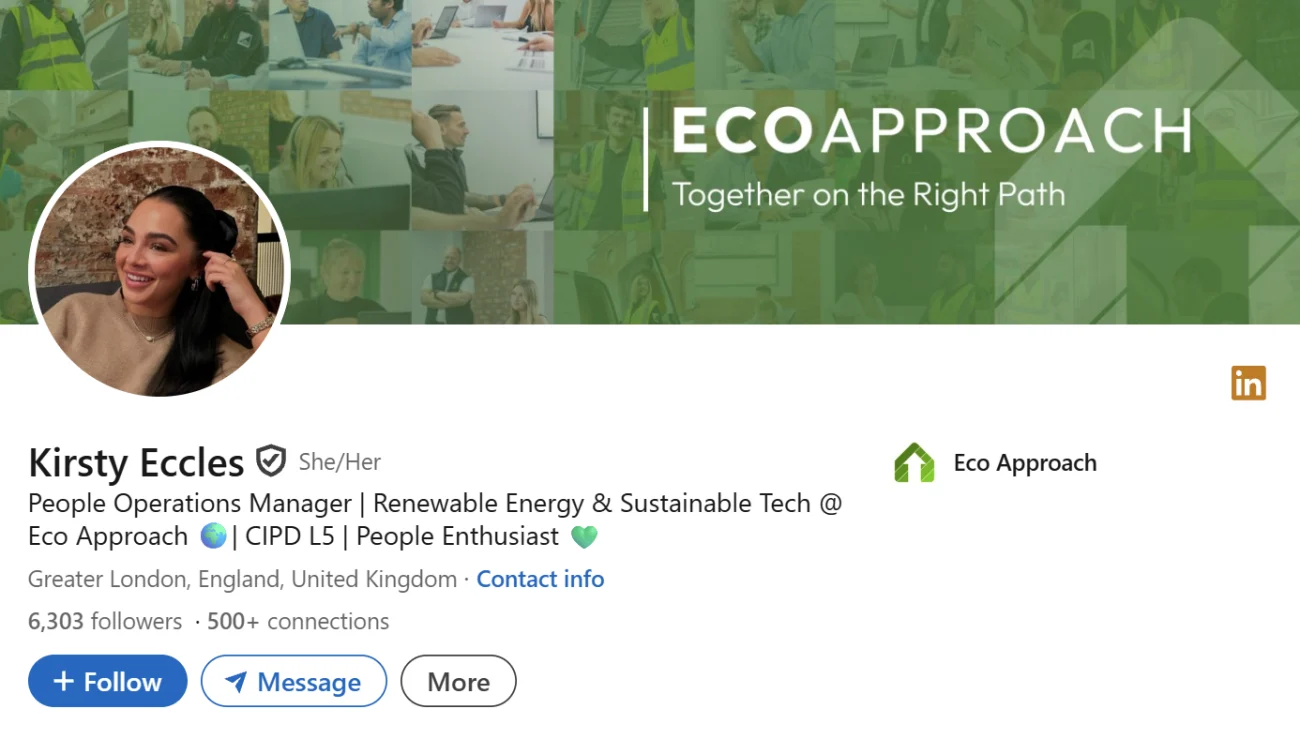
This is where professionals often struggle the most with confidence. You might feel vulnerable exposing personal reasons for your absence. The strategy here is Dignity, Brevity, and Confidence. You do not owe anyone a medical record or a parenting log. You owe them reassurance that the “project” of caregiving is concluded and you are fully back.
Strategies for Returning Parents
Do not fall into the trap of listing “Chief Household Officer” or “Mom of 3” in your professional headline. While parenting is the hardest job in the world, it is not the job you are applying for. Stick to professional signaling.
- ℹ️ Operations Manager | Process Improvement & Six Sigma | Returning to Workforce After Family Sabbatical
- ℹ️ HR Director | Employee Relations & Culture | Career Pause for Family Care Concluded | Ready for Full-Time Engagement
- ℹ️ Account Executive | Enterprise B2B Sales | 8 Years Closing Experience | Re-entering the Workforce
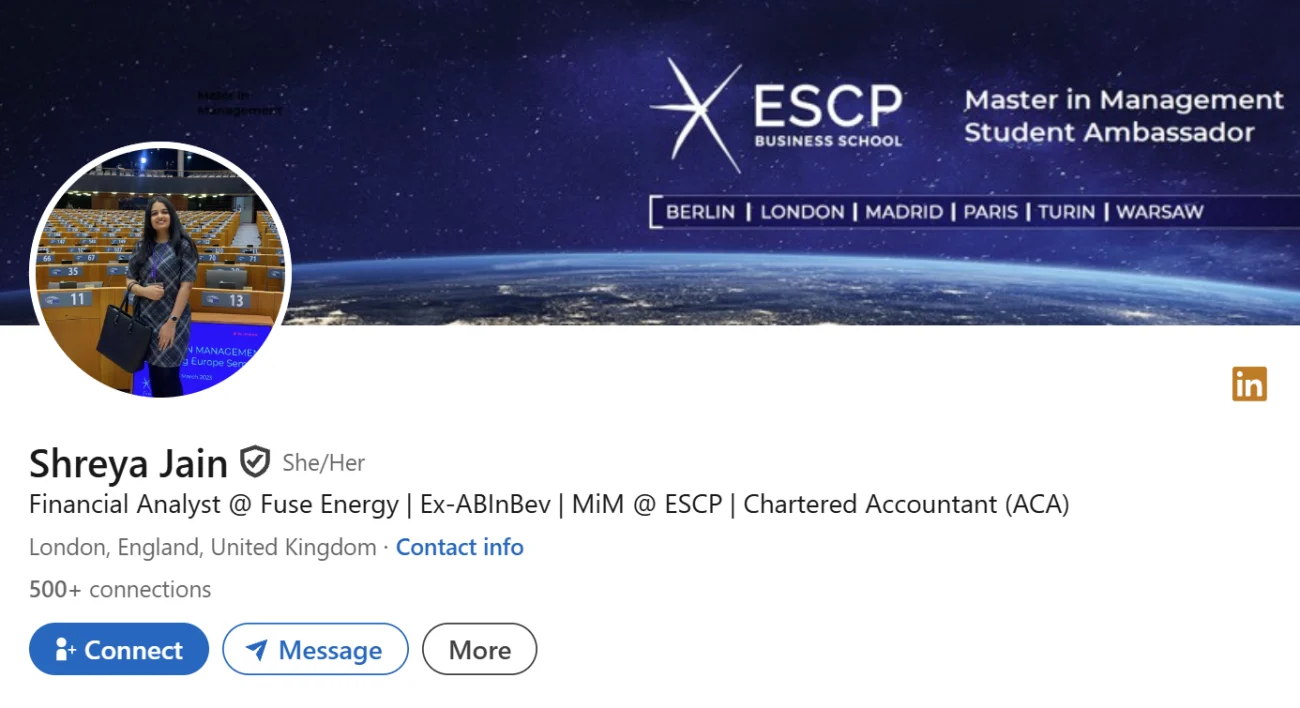
- ℹ️ Financial Analyst | CPA | FP&A & Risk Management | Returning Professional | Available Now
🔆 Why these work: They acknowledge the gap (“Family Sabbatical”) but wrap it in heavy professional terminology (“Six Sigma,” “Enterprise B2B”). This reminds the recruiter that your parenting years did not erase your decade of professional experience.
Scenario 3: The “Intentional” Gap (Sabbaticals, Education, Travel)
If your break was a choice – for travel, education, or personal projects – you are in a strong position. The key here is Intentionality. Recruiters respect candidates who plan their lives and have the resources to take time off. It signals stability and burnout-prevention.
The “Up-Leveling” Narrative
If you used the time to learn, the gap isn’t a gap; it’s a training period. Treat it like a job.
- ℹ️ Senior Software Engineer | Full-Stack Development | Upskilling in AI & Machine Learning | Ready for Tech Leadership
- ℹ️ Financial Analyst | CFA Level II Candidate | Sabbatical for Advanced Certification | Returning to Capital Markets
- ℹ️ Project Manager | PMP Certified | Career Break for MBA Completion | Strategic Program Management
The “Recharged” Narrative
A sabbatical implies you had the financial discipline to take time off and are now returning with renewed energy. This is attractive to employers who want fresh perspectives, not burned-out executives.
- ℹ️ Product Manager | 10+ Years Experience | Career Sabbatical for Travel & Cultural Research | Recharged & Ready for Strategy
- ℹ️ Creative Director | Planned Career Break | Portfolio Refinement & Personal Projects | Available for Agency Roles
- ℹ️ Management Consultant | Global Sabbatical | Cross-Cultural Communication | Returning to Advisory Roles
Scenario 4: Health & Personal Recovery
When the gap is due to physical or mental health, privacy is paramount. You rarely need to mention “health” explicitly. “Career Pause” or “Sabbatical” is sufficient code. The focus must be on the “Resolved” nature of the gap – signaling that you are ready to handle the workload again.
- ℹ️ Data Scientist | Python & SQL Expert | Career Pause Concluded | Available for Remote or Hybrid Roles
- ℹ️ Sales Operations Manager | CRM Optimization | Returning Professional | Eager to Drive Revenue Growth
- ℹ️ Executive Assistant | Calendar & Travel Management | Personal Sabbatical Complete | Ready for C-Suite Support
🎯 The Strategy: Notice that none of these examples say “Health,” “Illness,” or “Recovery.” They use neutral terms like “Career Pause.” This protects your privacy while explaining the timeline.
Critical Mistakes That Sabotage Your Return

I have reviewed thousands of profiles of people struggling to return to work. These are the patterns that keep them unemployed. Avoiding these is just as important as doing the right things.
| ❌ The Mistake | 🧠 The Psychological Impact | ✅ The Strategic Fix |
|---|---|---|
| “Unemployed” / “Looking for work” | It defines you by what you lack (a job) rather than what you have (skills). It triggers the Desperation Bias. | “Available for New Opportunities” or “Returning Professional” |
| “Mom returning to work” (as the whole headline) | It erases your professional identity. You are a professional who is also a mother, not the other way around in a business context. | “Financial Analyst | Returning After Family Leave” |
| Over-explaining: “Gap due to taking care of sick parent” | This is TMI (Too Much Information) for a headline. It forces the recruiter to think about your personal tragedy instead of your professional fit. | “Career Pause Concluded” (Save the details for the interview). |
| Using “Aspiring” or “Junior” (if experienced) | If you had 5 years of experience before the gap, you are not “Aspiring.” Do not devalue your past because of a time-out. | “Experienced Marketing Manager” (Own your tenure). |
| Leaving the Headline Blank (Default to old job) | This confuses recruiters. They might think you are still employed and ignore you for roles that need an immediate start. | Update to “Former [Title] at [Company] | Available Now” if you want to leverage the brand. |
SEO Strategy: Making the Algorithm Work for the Unemployed

Here is a hard truth about the digital job market: The LinkedIn algorithm does not have empathy. It does not care about your gap. It cares about Keywords.
If you remove your job title from your headline because you don’t currently have a job, you become invisible. Recruiters do not search for “Unemployed Person”; they search for “Project Manager.”
The “Forward-Matching” Rule
Always optimize for the job you want, not the status you have. If you were a Project Manager and want to be a Project Manager again, the phrase “Project Manager” must be the first thing in your headline. Not “Former Project Manager.” Just “Project Manager.”
You are defining your profession, not your employment contract. This is a crucial distinction that allows you to remain searchable in recruiter databases.
Hard Skill Injection
Since you don’t have a current “Company Name” to give you credibility, you must replace that weight with “Hard Skills.”
Instead of:
“HR Manager looking for work”
Use:
“HR Manager | Employee Relations, Benefits Administration, HRIS Implementation | Available”
These bolded terms are what recruiters type into the search bar. By packing your headline with them, you increase your relevance score.
Special Case: The “Gap Year” for Graduates

For early-career talent, a gap year headline is easier to manage. Employers expect Gen Z to seek purpose. Frame the gap as “Cultural Competency” or “Soft Skill Development.”
- ℹ️ Recent Graduate | International Gap Year for Cultural Immersion | Ready for Global Business Roles
- ℹ️ Software Engineering Grad | Personal Coding Projects & Travel | Python & React Developer | Available Now
- ℹ️ Marketing Graduate | Gap Year Volunteering at Non-Profits | Social Media Strategy | Seeking Entry Level Roles
❓ FAQ: Tough Questions Answered
We have curated the most pressing, difficult questions from professionals trying to navigate their return to the workforce.
📅 How long is a “gap” before I need to explain it in the headline?
💼 Can I say “Consultant” if I haven’t made any money yet?
👶 Does mentioning “Family Sabbatical” hurt my chances?
🤖 Should I use the “Open to Work” green banner?
📝 What if my gap was due to burnout/mental health?
🔄 I changed careers during my gap. How do I position that?
Final Thoughts: Your Comeback Starts Here
A career gap is not a period; it is a comma. It is a pause in the sentence of your professional life, not the end of the story. The mistake most professionals make is letting the gap define the headline, rather than letting the headline define the future.
When you craft your career break return to work strategy, remember that confidence is a transferable skill. If you are apologetic about your timeline, you will seem apologetic about your skills. If you are matter-of-fact, strategic, and forward-looking, you will be perceived as a professional who is in control of their destiny.
Use the templates in this guide. Strip away the guilt. Focus on the asset you are today. Your gap has given you perspective, resilience, and renewed energy – attributes that any smart employer should be fighting to hire.
For more inspiration on how to position specific roles, browse our library of headline examples or read our deep dive on LinkedIn profile optimization strategies to ensure your entire profile supports the strong narrative you have just built.