
- Core idea: Use creative LinkedIn headlines to break scroll patterns, but keep keywords upfront so search and recruiters still find you.
- Mullet strategy: Business keywords in front, personality in back, so you stay discoverable and still feel human.
- Pick your creative license: Conservative industries and corporate goals need low-risk clarity, creative fields and personal brands can use bolder pattern interrupts.
- Use goal-based formulas: Availability signals for job seekers, semantic bridge for career switchers, capacity signals for freelancers, all written without desperation.
- Do not kill SEO: Keep a real job-title anchor, pass the 5-second clarity test, protect credibility, and front-load what must show on mobile.
Introduciton
In the hyper-saturated digital ecosystem of LinkedIn, conformity is the silent killer of careers. With over 1 billion users, the default “Job Title at Company” formula has become background noise – functional, yes, but utterly forgettable. If you are a freelancer fighting for clients, a creative director showcasing your vision, a career switcher pivoting to a new industry, or simply a professional who refuses to be a commodity, “functional” is a failure. You need to be memorable.
Exploring creative LinkedIn headlines is not merely an exercise in cleverness or wit; it is a calculated strategic maneuver designed to interrupt the pattern of a recruiter’s or client’s scroll. It is about signaling – in the critical 3-second window of attention – that you think differently, execute differently, and bring a unique energy to the table. Whether you aim to attract high-ticket coaching clients, signal availability without the stench of desperation, or craft a compelling narrative for a career pivot, your headline is the hook upon which your entire personal brand hangs.
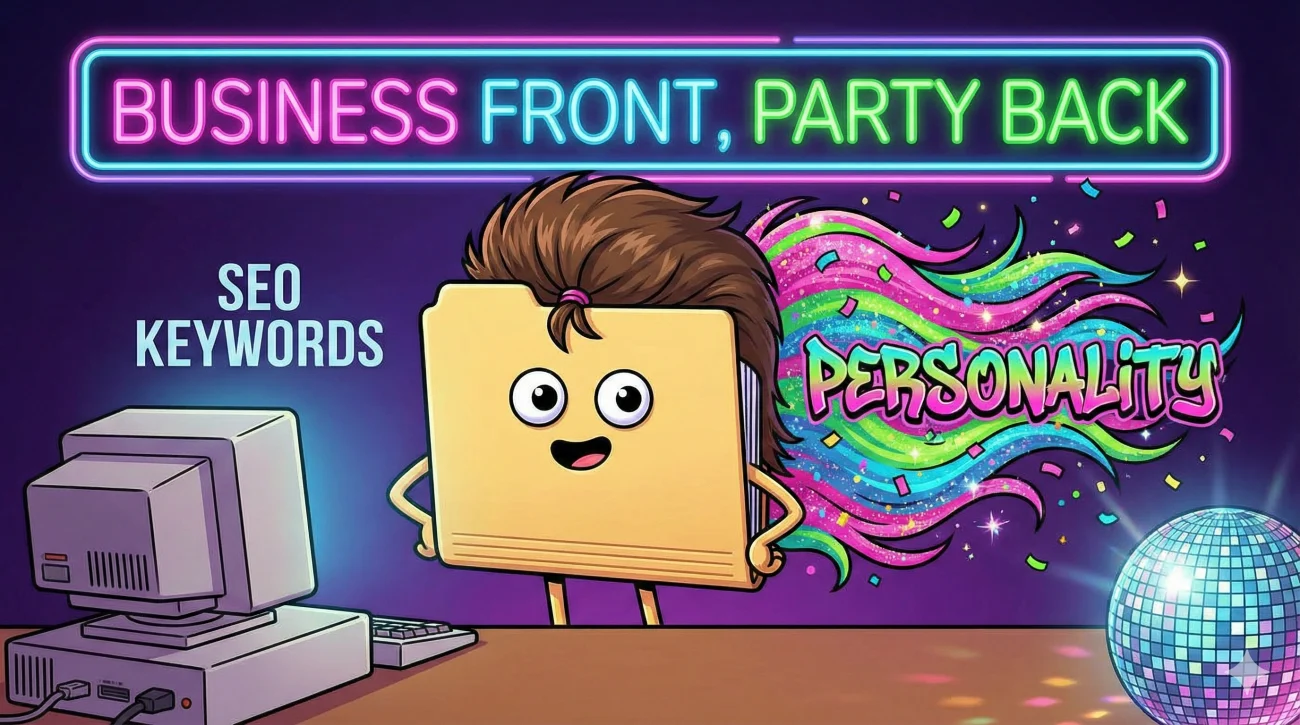
However, creativity is a double-edged sword. If you veer too far into abstraction, the Applicant Tracking System (ATS) algorithms – which crave specific keywords – will render you invisible. If you lean too heavily on humor, conservative clients or traditional industries may question your professionalism and gravitas. The secret to a winning headline lies in the “Mullet Strategy”: Business keywords in the front (to satisfy the SEO robots), and creative personality in the back (to forge a human connection).
This comprehensive guide goes far beyond generic advice. We will dissect the psychology of pattern interrupts, analyze the fine line between “witty” and “unprofessional,” and provide you with 70+ battle-tested formulas for every conceivable goal – from aggressive job hunting to establishing thought leadership. Before you break the rules, make sure you know them: review the foundational constraints in our LinkedIn Headline Ultimate Guide. Ready to disrupt the feed? Let’s get creative.
The Creativity vs. SEO Matrix: Finding Your Strategic Sweet Spot
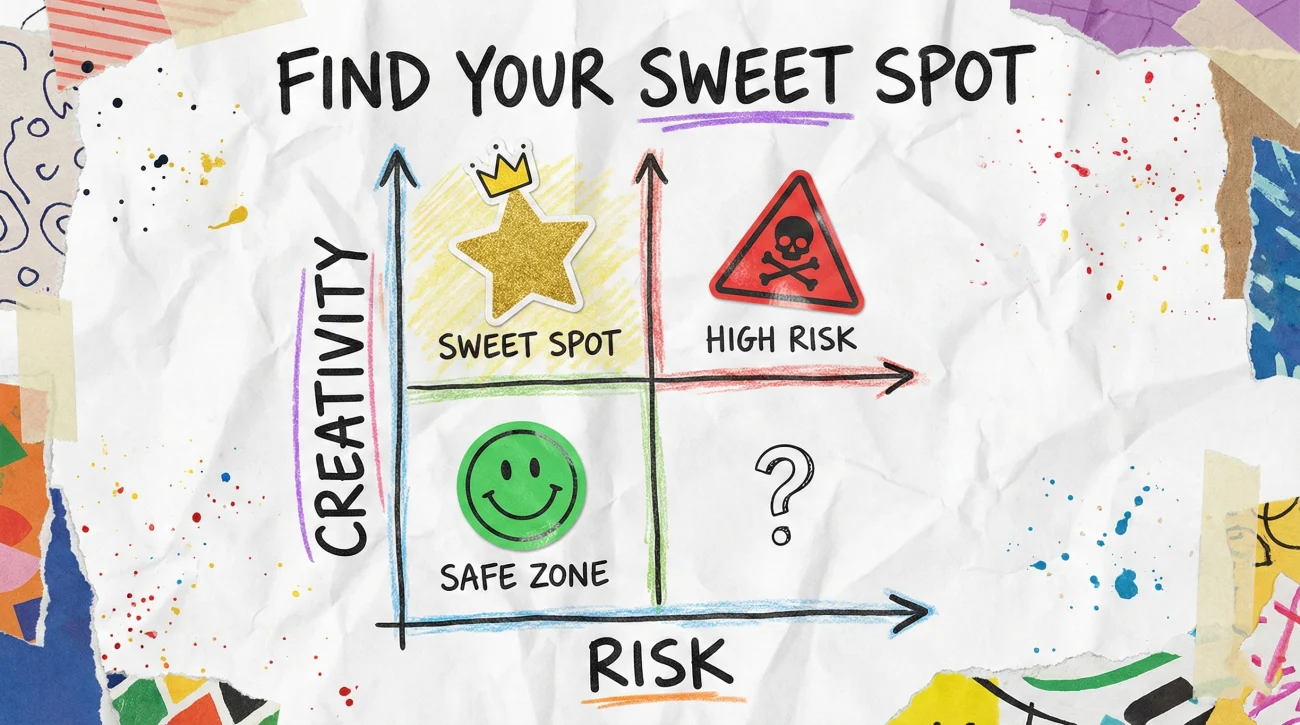
Before you adopt a creative persona or try a witty one-liner, you must conduct a rigorous audit of your industry norms and professional goals. A “funny” headline that lands a Copywriter a dream gig could destroy the credibility of a Chief Compliance Officer. Use this strategic matrix to determine your “Creative License.”
| Strategic Factor | Low Creativity Zone (Stick to Standard) | High Creativity Zone (Break the Rules) | Why It Matters |
|---|---|---|---|
| Industry Context | Law, Investment Banking, Audit, Clinical Healthcare, Government, Defense. | Marketing, Advertising, Design, Tech Startups, Media, Entertainment, Coaching. | Conservative fields value risk mitigation; creative fields value risk-taking. |
| Career Objective | Corporate Ladder Climbing, Seeking Board Seats, Regulatory Roles. | Freelancing, Consulting, Building a Personal Brand, Speaker, Author. | Employees need to fit a box; entrepreneurs need to stand out from the box. |
| Risk Tolerance | Low. You need to fit a specific, pre-defined mold to be hired. | High. You are willing to repel the wrong clients/bosses to attract the right ones. | Polarization is a marketing strategy. Being “safe” is an employment strategy. |
Focused LinkedIn headline guides by goal
If you already know what you’re optimizing for, you don’t have to read this guide in order. Jump straight into one of these focused collections of LinkedIn headline examples tailored to your specific goal:
- 🎨 Creative LinkedIn headline examples – swipe real-world, plug-and-play ideas that keep personality and positioning in balance.
- 🧼 Minimalist LinkedIn headline – when you want power, clarity, and confidence with fewer words.
- 🔍 Keyword optimized LinkedIn headline – built to rank in recruiter, ATS, and in-platform search for the roles you actually want.
- 🏆 Leadership LinkedIn headline – signalling authority, scope, and impact for manager, director, VP, and C-level roles.
- 🤝 Volunteer LinkedIn headline – for students, career switchers, and impact-driven profiles building credibility through contribution.
- 🌍 LinkedIn headline for remote jobs – highlight async collaboration, autonomy, and the skills that make distributed teams trust you.
- 💰 LinkedIn headline to attract investors – founders pitching vision, traction, and a clear, compelling narrative in one line.
- ⚡ Short LinkedIn headline examples – punchy, scroll-stopping one-liners for when you’re working with tight character limits.
- ❤️ LinkedIn headline for non-profit – balancing mission, metrics, and donor or stakeholder trust in a single story.
- 🌐 LinkedIn headline in multiple languages – positioning yourself for global, cross-border roles and international opportunities.
You can read this creative strategy guide from start to finish, then use these goal-based libraries as your personal swipe file – or jump straight into the one that matches your next career move.
1. Goal-Oriented Headlines: Signaling Intent with Precision
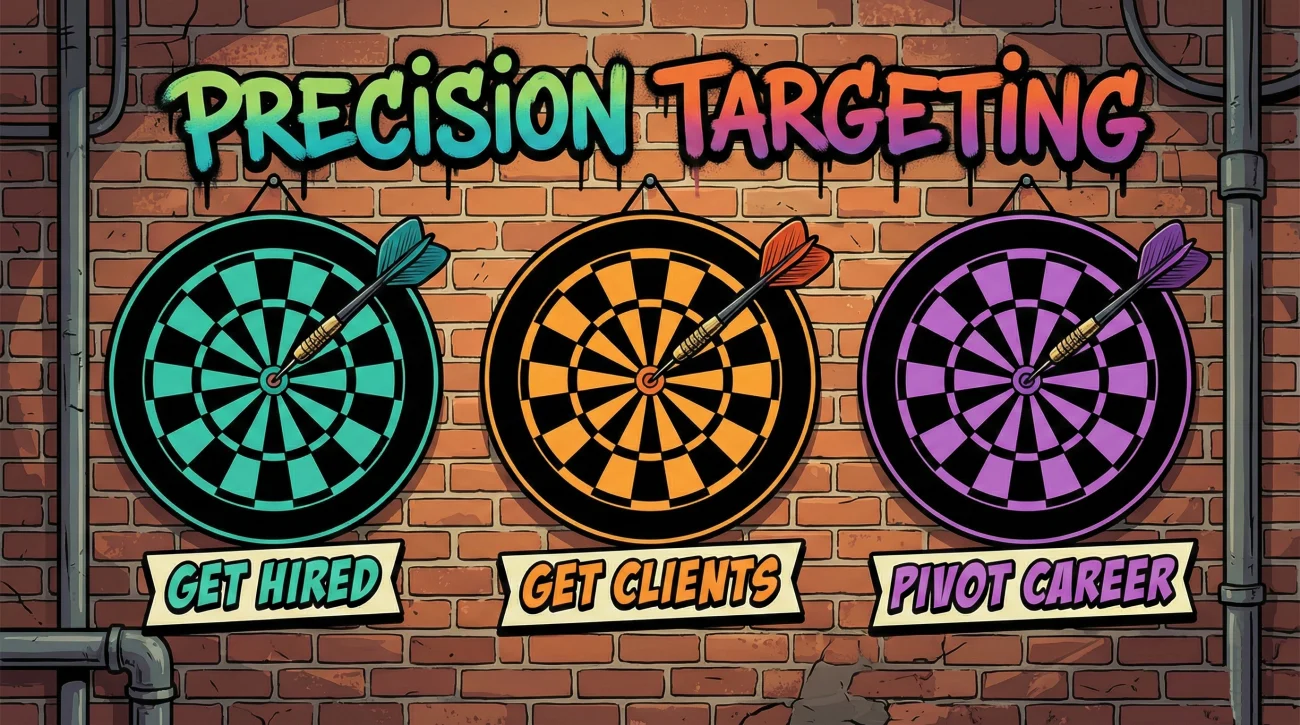
Sometimes, creativity isn’t about personality; it’s about utility. You need your headline to perform a specific function: get you hired, fill your client roster, or facilitate a complex career pivot. These headlines are designed to be functional signposts.
The “Job Seeker” Strategy (Without the Desperation)
💢 The Problem: Headlines like “Unemployed,” “Laid Off,” or “Looking for work” smell of desperation. They focus entirely on your need for a paycheck, not your value to the company. They trigger a subconscious bias that questions why you aren’t working.
👉 The Fix: Use “Availability Signals.” Combine your core expertise with a clear, confident statement that you are on the market, but frame it as an opportunity for the employer to acquire top talent.
- ℹ️ Senior Software Engineer | Python & AWS Expert | Open to New Opportunities in Fintech | 8 Years Exp
- ℹ️ Marketing Manager | Driving B2B Growth Strategies | Seeking Next Challenge in SaaS | Early Adopter
- ℹ️ Product Manager | Available for Roles | User-Centered Design & Data Analytics | Ex-Amazon
- ℹ️ Data Analyst | SQL, Tableau, Python | Ready to Transform Your Raw Data into Actionable Insights
- ℹ️ Sales Director | Scaled Revenue $0-$50M | Seeking VP Roles in Cyber Security | Available Immediately
- ℹ️ Executive Assistant | Supporting C-Suite Efficiency | Open to Remote or Hybrid Roles | Tech Savvy
🗃️ Deep Dive: Use the “Green Banner” feature on LinkedIn for the visual cue, but let the text headline do the heavy lifting of SEO. Avoid phrases like “Please hire me,” “In need of a job,” or “Open to anything.” Specificity signals confidence.
The “Career Switcher” Strategy (The Semantic Bridge)
💢 The Problem: Recruiters are confused by your past. If you were a Teacher for 10 years and now want to be a Coder, they see “Teacher” and skip you. You need to reframe your past as an asset, not a liability.
👉 The Fix: Build a semantic bridge. Acknowledge the past (to show maturity), but focus heavily on the transferable skill that links directly to the future role.
Formula: Former [Old Role] → Transitioning to [New Role] | [Transferable Skill] | [New Hard Skill]
- ℹ️ Former Teacher Transitioning to EdTech | Instructional Design | Curriculum Dev & Learning Science
- ℹ️ Software Engineer Pivoting to Product Management | Technical Background | User-Empathy Focus
- ℹ️ Journalist Moving to Content Marketing | Storytelling & SEO Strategy | 10 Years of Deadline Management
- ℹ️ Sales Professional Pivoting to Customer Success | Client Relationship Expert | CRM Mastery
- ℹ️ Military Veteran Transitioning to Project Management | Ops & Logistics | PMP Certified
- ℹ️ Architect Turned UX Designer | Spatial Design Thinking | Wireframing & Prototyping in Figma

The “Freelancer” Strategy (The Capacity Signal)
💢 The Problem: Potential clients often don’t know if you are taking new work. Are you full? Are you expensive? Are you even active?
👉 The Fix: Be explicit about availability and specialized niches. Create scarcity (“Accepting 1 New Client”) or signal scale (“Agency Owner”).
- ℹ️ Freelance Web Developer | Available for Projects | React & Node.js | 50+ Sites Launched
- ℹ️ Fractional CFO for Startups | Part-Time Financial Leadership | Fundraising Strategy | Accepting 1 New Client
- ℹ️ Marketing Manager @ TechCo | Freelance Copywriter by Night | Available for Weekend Projects
- ℹ️ Independent Consultant | Optimizing Supply Chains for E-commerce | ROI-Focused Strategies
- ℹ️ Virtual Assistant for Real Estate Agents | Transaction Coordination & Admin | Taking New Clients
2. Style-Oriented Headlines: Owning Your Vibe & Tribe
If your goal is branding rather than immediate employment, you have the luxury to play with style. This is how you attract your “tribe” and repel people who aren’t a cultural fit. This is about being distinct, not just different.
Creative & Catchy: The “Metaphor” Approach
This works best for creative industries (Design, Copywriting, Branding). It involves using a metaphor or action verb to describe a standard job, transforming the mundane into the magical.
- ℹ️ Turning Data Into Stories | Data Visualization Expert | Tableau & D3.js
- ℹ️ Building Brands That People Actually Remember | Brand Strategist | Creative Direction
- ℹ️ Making Boring Tech Interesting | B2B Content Marketer | Translating “Dev-Speak” to Human
- ℹ️ Designing Experiences, Not Just Screens | Product Designer | UX/UI Specialist
- ℹ️ Words That Sell | Direct Response Copywriter | Conversion Rate Optimization (CRO)
- ℹ️ Visual Storyteller | Photographer & Videographer | Capturing the Soul of Your Brand
- ℹ️ Orchestrating Chaos into Order | Operations Manager | Process Optimization & Efficiency
Funny & Witty: High Risk, High Reward
⚠️ Warning: Humor is subjective. What is funny to a startup founder might be offensive to a bank manager. Use this only if your personal brand is built on being “The Unconventional Choice.” If you use humor, you must be excellent at your job, or you will just look like a clown.
| The Cliché (Avoid) | The Witty (Try) | Why it Works |
|---|---|---|
| “Marketing Ninja” | “Recovering Perfectionist | Marketing Manager | Done > Perfect” | Shows humanity, pragmatism, and a focus on shipping work. |
| “I turn coffee into code” | “Debugging Code & Life | Senior Python Dev | Solving Problems One Bug at a Time” | Relatable to other devs without being cringeworthy or overused. |
| “Guru / Rockstar” | “Excel Whisperer | Making Spreadsheets Less Scary for CFOs” | Addresses a specific client pain point (fear of data) with humor. |
| “Chief Troublemaker” | “Professional Question Asker | UX Researcher | I Find the ‘Why’ Behind the ‘What'” | Frames curiosity as a professional asset rather than annoyance. |
Minimalist: The Ultimate Power Move
Minimalism signals extreme confidence. It implies, “I don’t need to explain who I am; you already know.” This is reserved for C-Suite executives, Founders, or industry legends. If you are junior, this looks like you forgot to fill out your profile.
- ℹ️ Founder & CEO @ TechCorp
- ℹ️ Partner at Sequoia Capital
- ℹ️ Building the Future of Healthcare
- ℹ️ Writing about AI & Ethics
- ℹ️ Investor. Advisor. Board Member.
- ℹ️ Chief Technology Officer | Google
3. The “Helping” Formula (For Service Providers)

If you are a Consultant, Coach, or Service Provider, your headline is not a bio – it is a sales pitch. You need to call out your avatar (target audience) and promise a transformation. This immediately qualifies your leads.
The Formula: I help [Target Audience] achieve [Desired Result] through [Methodology]
Coaches & Consultants
- ℹ️ Helping Exhausted Dads Get Fit in 20 Mins/Day | Sustainable Health Coach
- ℹ️ I Help B2B SaaS Founders Cross $10M ARR | Go-To-Market Consultant | Ex-Salesforce
- ℹ️ Helping Mid-Career Women Break the Glass Ceiling | Executive Leadership Coach
- ℹ️ I Help Nonprofits Tell Stories That Raise Money | Fundraising Strategist | $50M+ Raised
- ℹ️ Helping Introverts Become Confident Public Speakers | Communication Coach
Niche Experts
- ℹ️ The Go-To Copywriter for Pet Brands | Email Marketing & Funnels
- ℹ️ Financial Planning for Creative Freelancers | CFP | Helping Artists Build Wealth
- ℹ️ For Tech Founders Who Want to Scale Without Burning Out | Operations Coach
- ℹ️ SEO for Plastic Surgeons | Getting Your Practice to Page 1 of Google
- ℹ️ Legal Consultant for DAO & Web3 Projects | Smart Contract Audits
💡 Pro Tip: Be specific. “Helping people get better” is weak. “Helping introverted engineers become confident public speakers” is a business. The more specific the pain point, the higher the perceived value.
4. The Optimization Checklist: Don’t Kill Your SEO
Creativity is great, but being invisible is not. Before you finalize your creative headline, run it through this checklist to ensure you haven’t sacrificed discoverability on the altar of cleverness.
| Check | Pass/Fail Criterion | Why it Matters |
|---|---|---|
| The “Job Title” Anchor | Does the headline still contain the standard job title recruiters search for? (e.g., “Writer,” “Developer,” “Manager”). If you only write “Word Wizard,” you fail. | SEO. Recruiters search for titles, not metaphors. |
| The Clarity Test | If you show this to a stranger, do they know how you make money in 5 seconds? If they have to guess, rewrite it. | Conversion. Confusion kills sales and job offers. |
| The Credibility Check | Does the humor undermine your authority? “Chief Troublemaker” might sound fun, but would a bank trust you with their money? | Trust. You want to be likable but still employable. |
| The Character Count | Is the hook (the creative part) visible in the first 40 characters (mobile view)? | User Experience. Most users are on mobile. Don’t bury the lead. |
Conclusion: Dare to Be Different (Strategically)
Your LinkedIn headline is the only piece of marketing copy that every single person who interacts with you will read. It is too valuable to be boring. It is the “storefront” of your professional life.
The goal of a creative headline is not to be the “loudest” person in the room; it is to be the most distinct. By combining the SEO mechanics of standard keywords with the human touch of humor, empathy, or vision, you create a profile that pleases the algorithm and delights the human. You signal that you are not just a cog in the machine, but a thinking, feeling, creative professional.
Test these formats. If you are a freelancer, try the “Helping” formula. If you are a job seeker, try the “Value-First” availability signal. Monitor your profile views and connection requests. The market will tell you what works. And remember: a headline is never permanent. You can change it tomorrow. So take a risk today.
For more standard, industry-specific examples to mix and match with these creative ideas, check out our master list of LinkedIn Headlines by Profession.