
- Core positioning: Lead with expertise and outcomes, not unemployment status, because desperation reads as risk.
- Why “Seeking” fails: It triggers bias, removes role keywords from search, and weakens your leverage before the first call.
- Value-First framework: Anchor role, add hard-skill hook, state value promise, then use a subtle availability signal only if needed.
- Best-fit strategies: Choose Pure Professional, Selectively Available, Strategic Pause, or Alumni based on layoff, sabbatical, long search, or pivot.
- Execution checklist: Avoid desperate phrases, keep standard job titles and 2-3 hard skills, and align About, Experience, and activity to support the same story.
Why Your Unemployed Period Needs Strategic Positioning
Let’s address the elephant in the room immediately: Unemployment creates anxiety. When you are between roles, the natural instinct is to shout from the digital rooftops that you need a job. You feel the urge to change your LinkedIn headline for unemployed status to something loud, clear, and pleading, like “Actively Seeking Opportunities” or “Unemployed and Looking.”
From a strategic standpoint, this is a critical error.
As a career strategist, I tell my clients this: Desperation acts as a repellent; confidence acts as a magnet. Recruiters scan hundreds of profiles daily. They are not looking for someone who “needs a job”; they are looking for a solution to a business problem. When your headline screams “availability” louder than it whispers “expertise,” you commoditize your value.
The goal of this guide is to shift your mindset from “job seeker” to “available talent.” We will dive deep into the psychology of recruitment, dissect the LinkedIn headline for unemployed professionals that actually converts, and provide you with frameworks to maintain your dignity and market value during transition periods.
The Psychology of Recruitment: Why “Seeking” Often Fails

To write a compelling headline, you must first understand the person reading it. Recruiters and Hiring Managers operate on “Signal Theory.” They look for signals of competence, stability, and value. Conversely, they filter out signals of risk.
Here is the harsh reality of why generic “Seeking Opportunities” headlines underperform:
- 🛑 The “Damaged Goods” Bias: Subconsciously, some recruiters perceive long-term, loudly advertised unemployment as a red flag. They wonder, “Why hasn’t anyone else snapped this person up yet?”
- 🛑 Loss of Keywords: If you replace your job title (e.g., “Project Manager”) with “Job Seeker,” you literally remove yourself from the search results recruiters are running. They search for roles, not statuses.
- 🛑 The Leverage Gap: Negotiation starts at the first impression. If you lead with your need for a job, you lower your perceived leverage before the first conversation even happens.
Your strategy must be to position yourself as a high-value asset who happens to be on the market, rather than a distressed asset looking for a rescue.
The “Value-First” Framework: What Makes a Headline Work?
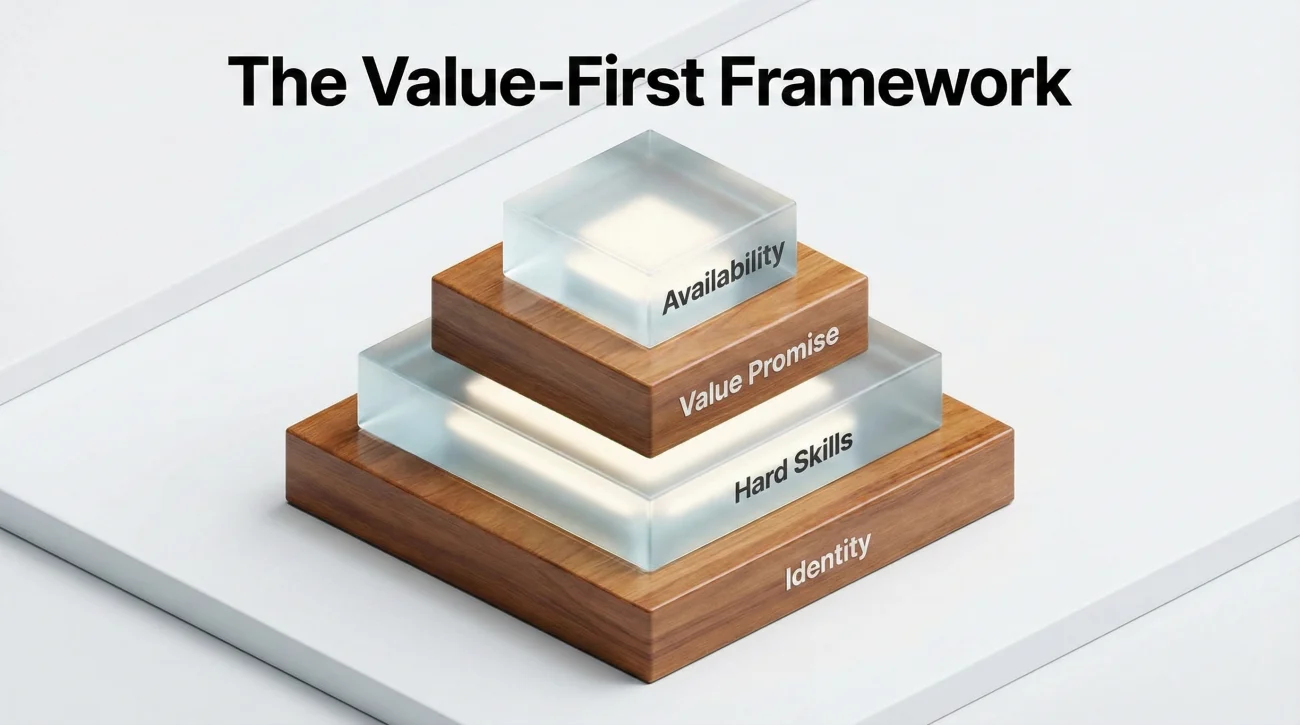
Effective headlines during unemployment follow a strict hierarchy of information. We call this the “Value-First” Framework. It prioritizes your professional identity over your current employment status.
The strongest headlines rely on the platform’s features to do the heavy lifting regarding availability (like the “Open to Work” frame visible only to recruiters), while the text itself focuses on authority. Here is the anatomy of a successful headline:
- 1. The Anchor (Identity): Who are you professionally? (e.g., “Senior Product Manager”).
- 2. The Hook (Hard Skills): What specific tools or methodologies do you own? (e.g., “B2B SaaS,” “Python,” “Supply Chain Optimization”).
- 3. The Value (Promise): What result do you deliver? (e.g., “Scaling Revenue,” “Building High-Performance Teams”).
- 4. The Signal (Optional Availability): A subtle nod to your status (e.g., “Available for Strategic Roles”).
By following this structure, you ensure that even if a recruiter knows you are unemployed, they primarily see you as an expert in your field. For a deeper dive into general headline structures, refer to our guide on mastering the LinkedIn headline.
40+ Strategic Job Seeker Headline Examples
Below, we have categorized examples based on different career scenarios. These are designed to maintain your status while signaling openness. You can find more specific industry templates in our collection of LinkedIn headline examples.
Strategy A: The “Pure Professional” (Implicit Availability)
This is the strongest power move. You do not mention unemployment at all. You rely on the “Open to Work” green banner (set to recruiters only) to handle the availability signal. Your text remains purely about your expertise. This creates an aura of “I am so good, I don’t need to beg.”
- ℹ️ Senior Marketing Manager | B2B SaaS Growth | Demand Generation, Content Strategy & Analytics
- ℹ️ Full-Stack Developer | JavaScript, React, Node.js, Python | Architecting Scalable Web Applications
- ℹ️ Financial Analyst | FP&A, Financial Modeling, Excel | Strategic Planning for Fintech
- ℹ️ Product Manager | Enterprise Software | User Research, Roadmap Strategy, Cross-Functional Leadership
- ℹ️ HR Business Partner | Talent Development, Employee Relations, Change Management | SPHR Certified
- ℹ️ Sales Director | B2B Technology | Pipeline Development, Team Leadership, Strategic Accounts
- ℹ️ Data Scientist | Machine Learning, Python, SQL | Transforming Data into Predictive Business Intelligence
- ℹ️ Operations Manager | Process Optimization, Lean Six Sigma, Supply Chain | Manufacturing & Logistics
- ℹ️ UX Designer | User Research, Prototyping, Design Systems | Creating Intuitive Digital Experiences
- ℹ️ Business Analyst | Requirements Gathering, Process Improvement, Stakeholder Management
Strategy B: The “Selectively Available” (Explicit but High-Status)
If you prefer to be transparent, you must use language that implies choice. You are not “looking for anything”; you are “available for opportunities” that match your specific high standards. This works well when you want to network aggressively.
- ℹ️ Senior Software Engineer | Cloud Architecture, Microservices | Available for Strategic Technology Roles
- ℹ️ Marketing Director | Brand Strategy & Digital Growth | Open to Leadership Opportunities in Tech
- ℹ️ Product Manager | B2B SaaS | Available for Product Leadership Roles | San Francisco Bay Area
- ℹ️ Finance Manager | Financial Planning, Analysis, Reporting | Exploring New Opportunities in FinTech
- ℹ️ Sales Executive | Enterprise SaaS | Available for VP or Director-Level Roles
- ℹ️ Data Engineer | Python, SQL, AWS | Open to Data Infrastructure Roles at Growth-Stage Startups
- ℹ️ HR Director | Talent Strategy, Organizational Development | Available for Strategic HR Leadership
- ℹ️ Operations Director | Supply Chain, Logistics | Open to Senior Operations Roles | Remote or Boston
- ℹ️ Digital Marketing Specialist | SEO, Content, Analytics | Available for In-House or Agency Positions
- ℹ️ Engineering Manager | Team Leadership, Technical Strategy | Exploring Engineering Leadership Opportunities
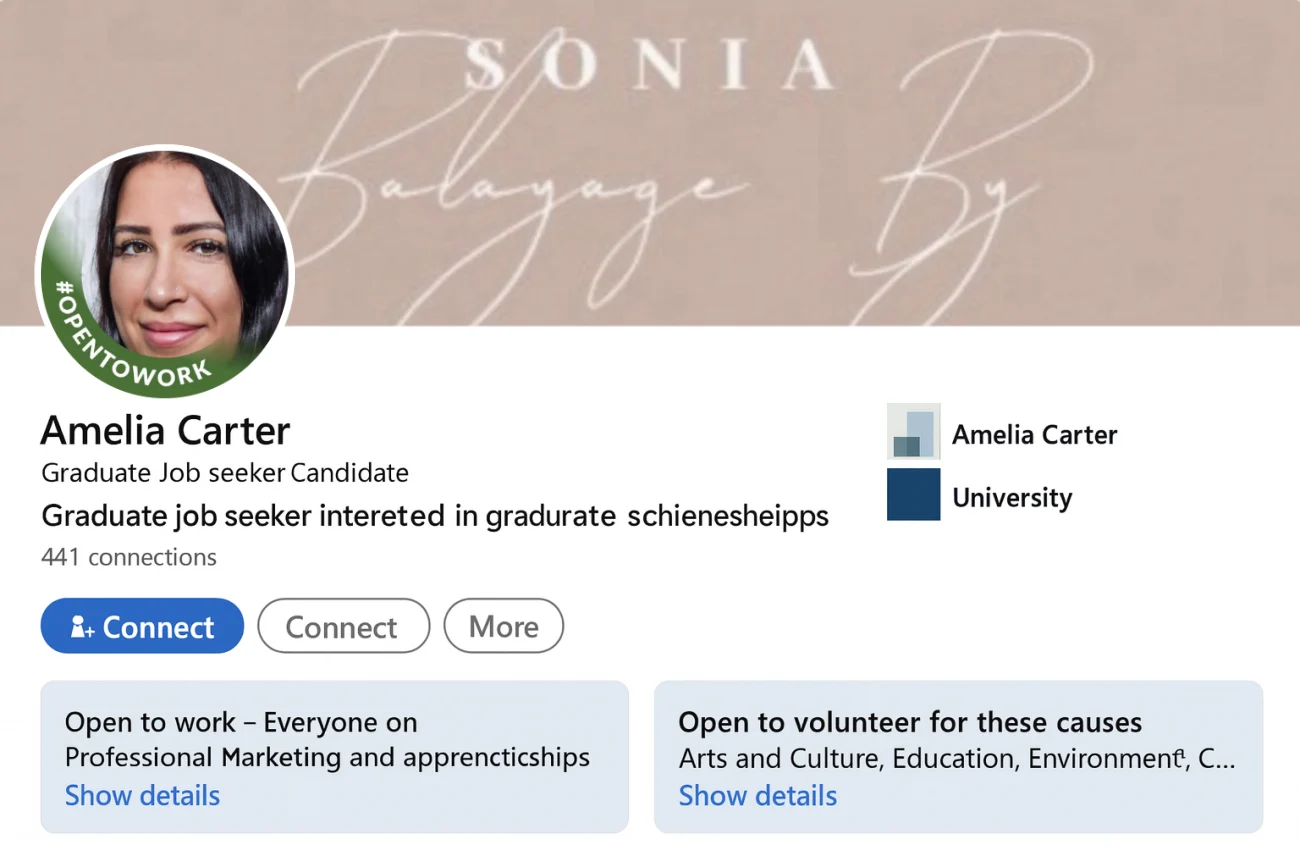
Strategy C: The “Strategic Pause” (Career Breaks & Sabbaticals)
There is no shame in a gap year, caretaking, or a sabbatical. In fact, owning it displays confidence. The key to a LinkedIn headline for career break situations is to define the break on your terms, often highlighting a return date or the purpose of the break (upskilling, travel, family).
- ℹ️ Product Manager | Taking Career Sabbatical | Previously: Led Product at [Company] | Returning Q3 2024
- ℹ️ Software Engineer | Career Break for Family | 10 Years Experience | Python, Java, Cloud | Returning to Workforce Q2
- ℹ️ Marketing Executive | Sabbatical Year | Previously: CMO at [Company] | Available from [Date]
- ℹ️ Financial Analyst | Career Break | CFA Charterholder | Returning to Finance Roles
- ℹ️ Senior Designer | Freelancing During Career Transition | Available for Full-Time Roles from [Month]
- ℹ️ Data Analyst | Upskilling Career Break | Completing Data Science Certificate | SQL, Python, Tableau
- ℹ️ HR Manager | Career Break for Advanced Degree | MBA Candidate | Available [Year]
- ℹ️ Operations Manager | Career Sabbatical | 12 Years Experience | Open to Leadership Roles in [Industry]
- ℹ️ Account Executive | Taking Time Off | Previously: Top Performer at [Company] | Returning to B2B Sales
- ℹ️ Project Manager | Career Break | PMP Certified | 8 Years Experience | Available for New Opportunities
Strategy D: The “Alumni” Approach (Leveraging Past Prestige)
If you recently left a well-known company (or even a solid mid-sized firm), use that brand equity. This “anchors” your value to your previous employer while signaling you are now on the market.
- ℹ️ Senior Product Manager | Recently at [Well-Known Company] | B2B SaaS Expertise | Exploring Next Opportunity
- ℹ️ Marketing Leader | Former CMO | Brand Strategy, Growth Marketing | Available for Executive Roles
- ℹ️ Software Engineering Manager | Recently: Engineering Lead at [Startup] | Now Open to New Challenges
- ℹ️ Financial Controller | Recently at [Company] | CPA, FP&A, Financial Reporting | Exploring New Opportunities
- ℹ️ Sales Director | Former Regional Director at [Company] | Enterprise Sales Leadership | Available Immediately
- ℹ️ Data Scientist | Recently: ML Engineer at [Tech Company] | Python, TensorFlow, NLP | Open to AI Roles
- ℹ️ HR Director | Former HR VP | Organizational Development, Talent Strategy | Seeking Leadership Roles
- ℹ️ Operations Executive | Recently: COO at [Company] | Available for Senior Operations or Consulting Roles
- ℹ️ Creative Director | Former Design Lead at [Agency] | Brand Strategy, Team Leadership | Exploring Opportunities
- ℹ️ Business Development Manager | Recently at [Company] | Partnership Strategy | Open to BD Leadership Roles
Proven Formulas for a Headline When Looking for a Job
You don’t need to guess. Use these structural formulas to craft your headline when looking for a job. Pick the one that aligns best with your seniority and industry norms.
| Formula Name | Structure Template | Why It Works |
|---|---|---|
| The Expert | [Role] | [Key Skills] | [Industry/Specialty] | Maximum professionalism. It forces the recruiter to judge you on merit, not status. Best for senior roles. |
| The Targeted Seeker | [Role] | [Key Skills] | Available for [Specific Opportunity] | Balances availability with specificity. It tells recruiters exactly where to place you. |
| The Brand Leverager | [Role] | Recently at [Company] | [Expertise] | Uses the psychological “Halo Effect” of your previous employer to validate your competence. |
| The Transparent Pause | [Role] | [Career Break Reason] | Available [Timeframe] | Controls the narrative. Prevents recruiters from guessing why there is a gap. |
| The Senior Specialist | [Role] | [Years Experience] | Open to [Type of Role] | Highlights longevity and stability. “12 Years Experience” is a trust signal. |
| The Learner | [Role] | [Certification/Credential] | Exploring Opportunities in [Industry] | Best for junior roles or pivoters. It highlights your current growth trajectory. |
Pro Tip: I always recommend A/B testing these. Try “The Expert” formula for two weeks. If your profile views are low, switch to “The Targeted Seeker” and measure the difference.
Common Mistakes That Scream “Desperation”
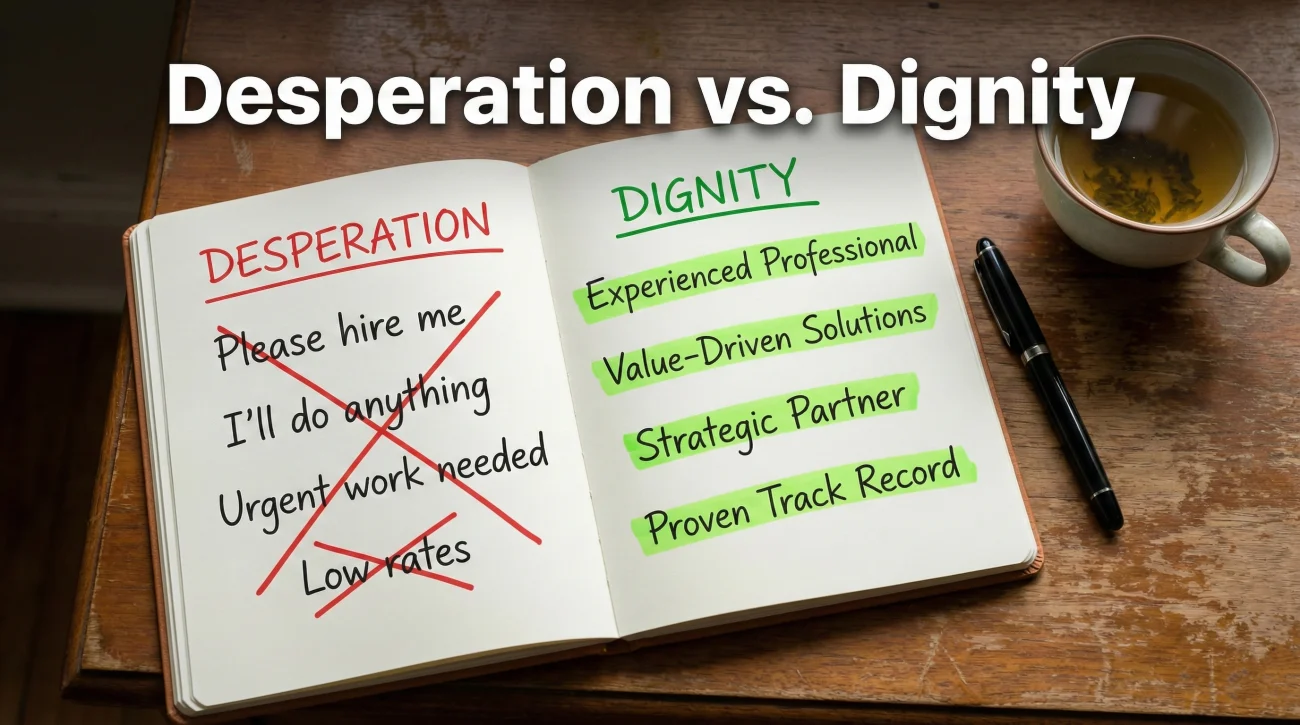
In my profile reviews, I see capable professionals sabotaging their chances with poor keyword choices. These mistakes often stem from a place of panic. Let’s fix them.
| ❌ The Mistake | 🧠 Psychological Impact | ✅ The Strategic Fix |
|---|---|---|
| “Actively Seeking New Opportunities” | Generic. Wastes valuable SEO space. Tells the recruiter nothing about what you do. | Product Manager | B2B SaaS | Strategy & Roadmap (Uses keywords recruiters actually search for) |
| “Unemployed | Open to Work” | Signals “I have nothing else going on.” Can trigger negative bias regarding employability. | Marketing Manager | Digital Strategy | 8 Years Exp (Focuses on the asset, not the lack of employment) |
| “Recently Laid Off | Looking for Work” | While honest, it defines you by a negative event (the layoff) rather than your value. | Software Engineer | Python, AWS | Full-Stack Dev (Defines you by your hard skills) |
| “Available Immediately | Will Relocate” | Sounds too eager and compliant. Lowers your negotiation power immediately. | Sales Director | Enterprise B2B | Open to Relocation (Frames relocation as flexibility, not desperation) |
| “Between Jobs | Need Work Urgently” | Panic signal. Recruiters worry about hiring someone who is just looking for a paycheck, not a career. | Financial Analyst | FP&A | Previously at [Company] (Maintains dignity and professional lineage) |
| “Jack of all trades | Open to anything” | Implies lack of focus. Specialists get hired; generalists get ignored in filtered searches. | Operations Manager | Supply Chain | Lean Six Sigma (Niches down to specific, searchable expertise) |
Strategic Approaches for Specific Crisis Scenarios
Not all unemployment is created equal. A planned sabbatical requires a different narrative than a sudden layoff. Here is how to handle the nuances of each situation.
1️⃣ Scenario 1: The Recent Layoff
Scenario 1: The Recent Layoff
The Emotion: Anger, shock, and a need to explain “it wasn’t my fault.”
The Strategy: Absolute stoicism. Do not mention the layoff in the headline. Your headline is for marketing your future, not explaining your past. Use the “About” section to briefly mention a “company-wide restructuring” if absolutely necessary, but keep the headline purely focused on your role.
The Headline:
“Senior Marketing Manager | B2B SaaS Growth | Demand Generation”
2️⃣ Scenario 2: The Planned Sabbatical
Scenario 2: The Planned Sabbatical
The Emotion: Freedom mixed with the fear of re-entry.
The Strategy: Frame the break as a period of growth or necessary recharge that makes you a better employee now. Use the word “Returning” to signal you are mentally ready to engage.
The Headline:
“Product Manager | Career Sabbatical for Advanced Training | Returning Q2”
3️⃣ Scenario 3: The Extended Search (>6 Months)
Scenario 3: The Extended Search (>6 Months)
The Emotion: Frustration and self-doubt.
The Strategy: Pivot to “Consultant” positioning. If you have been advising a friend, doing free work, or taking a course, you are working. Close the gap psychologically by adopting a consultant identity.
The Headline:
“Marketing Consultant | Helping B2B Companies with Growth Strategy | Available for Full-Time Leadership”
4️⃣ Scenario 4: The Pivot (Career Change)
Scenario 4: The Pivot (Career Change)
The Emotion: Imposter syndrome.
The Strategy: “Dress for the job you want.” List the target role first, then list your transferable skills or certifications that bridge the gap.
The Headline:
“UX Designer | Google UX Certificate | 10 Years Marketing Background | User Research”
SEO Mechanics: Making Your Profile “Searchable”

You can write the most poetic headline in the world, but if it doesn’t feed the algorithm, you won’t get found. ATS (Applicant Tracking Systems) and LinkedIn Recruiter work on keyword matching.
1. Hard Skills are King:
Recruiters search for “Python,” “GAAP,” “Salesforce,” or “Project Management.” They rarely search for “Visionary” or “Guru.” Ensure your headline contains at least 2-3 hard skills relevant to your target role.
2. Job Titles Match Intent:
If you were a “Customer Happiness Ninja” at your last startup, change your headline to the industry standard: “Customer Success Manager.” You need to speak the language the market is searching for.
3. The “Open to Work” Feature:
Use the technical setting in LinkedIn to signal “Open to Work” to Recruiters Only. This puts a digital tag on your profile in their software without forcing you to put a green frame on your photo (unless you want to). This is the best way to separate the signal (availability) from the brand (your headline).
Beyond the Headline: Supporting the Narrative
Your headline attracts the click, but the rest of the profile must justify the interview. Ensure these three elements align with your new headline strategy:
The About Section:
This is your elevator pitch. If you are unemployed, focus the first paragraph on your core value proposition. In the second paragraph, you can briefly mention your current status: “After delivering [Result X] at [Company Y], I am now looking for my next challenge in [Sector Z].”
The Experience Section:
Do not leave your current end date open if you have officially left. It confuses the algorithm and the recruiter. End the position, and consider adding a new “Career Break” entry if the gap is longer than 3-4 months, detailing your upskilling activities.
Activity Feed:
Silence is suspicious. Engage with content in your industry. Commenting on posts keeps your “Headline” visible in the feeds of your network, acting as a subtle reminder that you are present and knowledgeable.
❓ FAQ
💼 Should I explicitly say “Unemployed” to get sympathy/help?
⏰ How long can I keep my old job title after leaving?
🎯 Is “Available for Opportunities” better than “Open to Work”?
📚 What if I am a student or pivoting careers?
🔄 How often should I tweak my headline?
Final Thoughts: Own Your Narrative
Being unemployed is a temporary state; being a professional is a permanent identity. Do not let a temporary state dictate your permanent brand.
The LinkedIn headline for unemployed periods is not about deception; it is about directing attention. You want to direct the recruiter’s eye to your skills, your history, and your potential – not your current lack of a daily stand-up meeting.
Take a deep breath. Rewrite your headline today using the “Value-First” framework. Remove the desperate adjectives. Insert the hard skills. When you respect your own value on your profile, the market begins to respect it too.
Looking for more positioning strategies? Check out our guide on writing powerful LinkedIn headlines, or explore examples across different professions to see how others have successfully navigated career transitions.