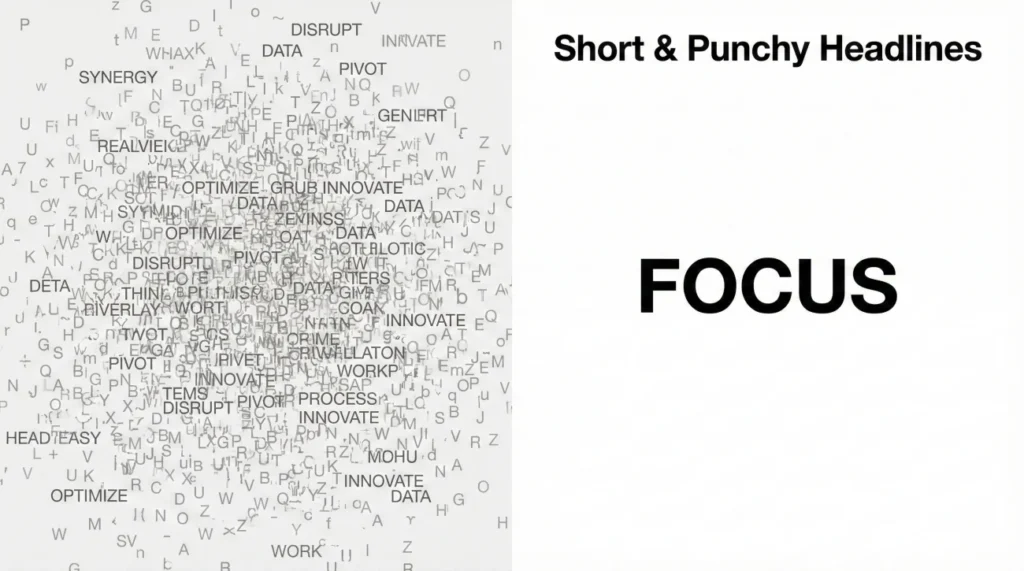
- Core idea: Short headlines win because they reduce cognitive friction and project authority faster than keyword-stuffed “word salad.”
- Brain science: High readability feels more trustworthy, and a 3 to 6 word headline becomes a pattern interrupt in a noisy feed.
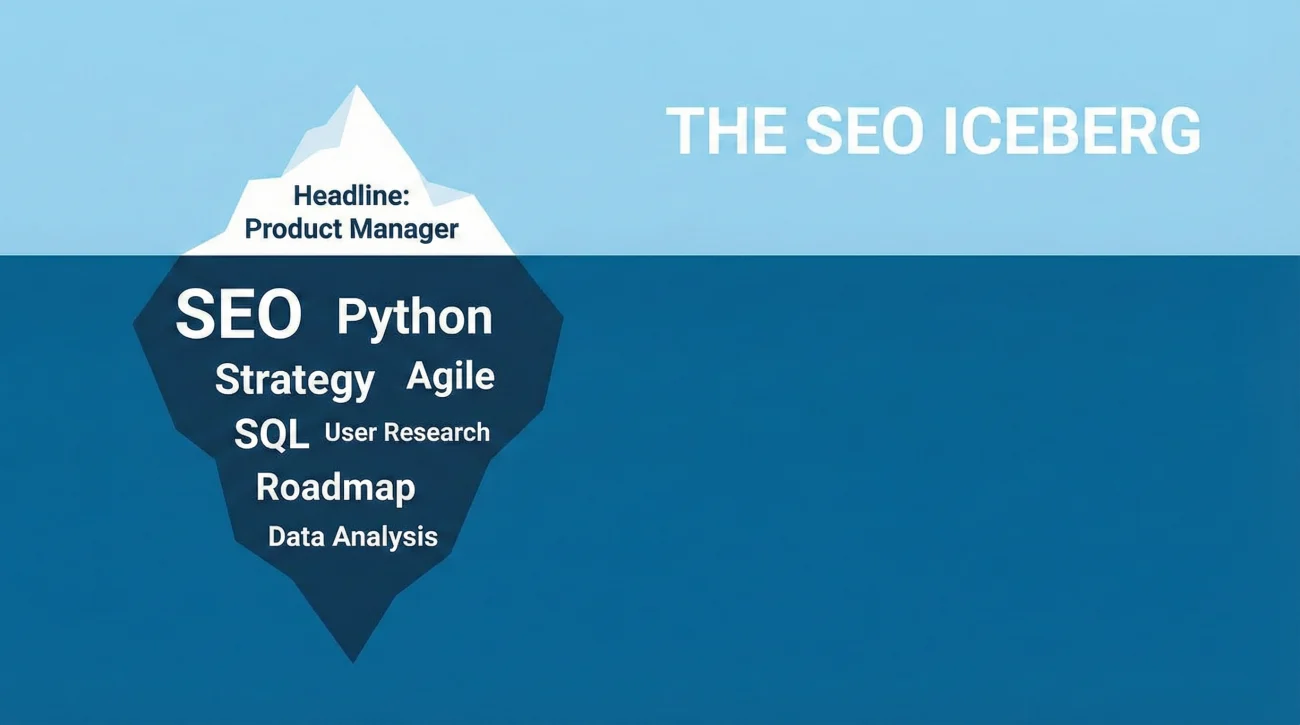
- Hidden SEO: Use the headline for clicks, and push tool keywords into About and Skills so you can still rank without looking spammy.
- Strategy by level: Entry uses Role plus hard skill, Mid uses Role plus niche, Executive keeps it broad because the title does the heavy lifting.
- Execution rules: Use clean separators, proper capitalization, zero emojis, and cut your draft down with a simple edit method until it reads instantly.
The Strategic Art of Brevity: Why Less is Exponentially More
In the cacophony of the digital age, silence is a power move. While the amateur tries to shout over the noise by filling every available character with buzzwords, the expert cuts through the static with a whisper. The best short LinkedIn headline examples are not just “short” by accident; they are engineered for Maximum Signal Velocity.
LinkedIn grants you 220 characters. The instinct is to treat this space like a suitcase, stuffing it with every skill, certification, and accolade you possess until the zipper bursts. The result? A “word salad” like “Digital Marketing Ninja | SEO | SEM | Content | ROI-Focused | Helping brands grow | Coffee Lover ☕.” When a recruiter sees this, their brain encounters high Cognitive Friction. They have to burn mental calories just to figure out what you actually do.
Contrast this with the profile of a top-tier executive or a high-demand specialist. They often use less than 60 characters. Why? Because they understand the Paradox of Authority: The more you explain, the less authority you project. Confidence is brevity. Insecurity is verbose.
This comprehensive guide is the ultimate resource on Strategic Minimalism. We will move beyond simple advice like “keep it short” and explore the neuroscience of attention, the “Hidden SEO” strategies that allow you to rank without clutter, and provide a masterclass in distilling your entire professional identity into a single, punchy phrase that commands respect in milliseconds.
The Neuroscience of Attention: Why the Brain Craves Minimalism
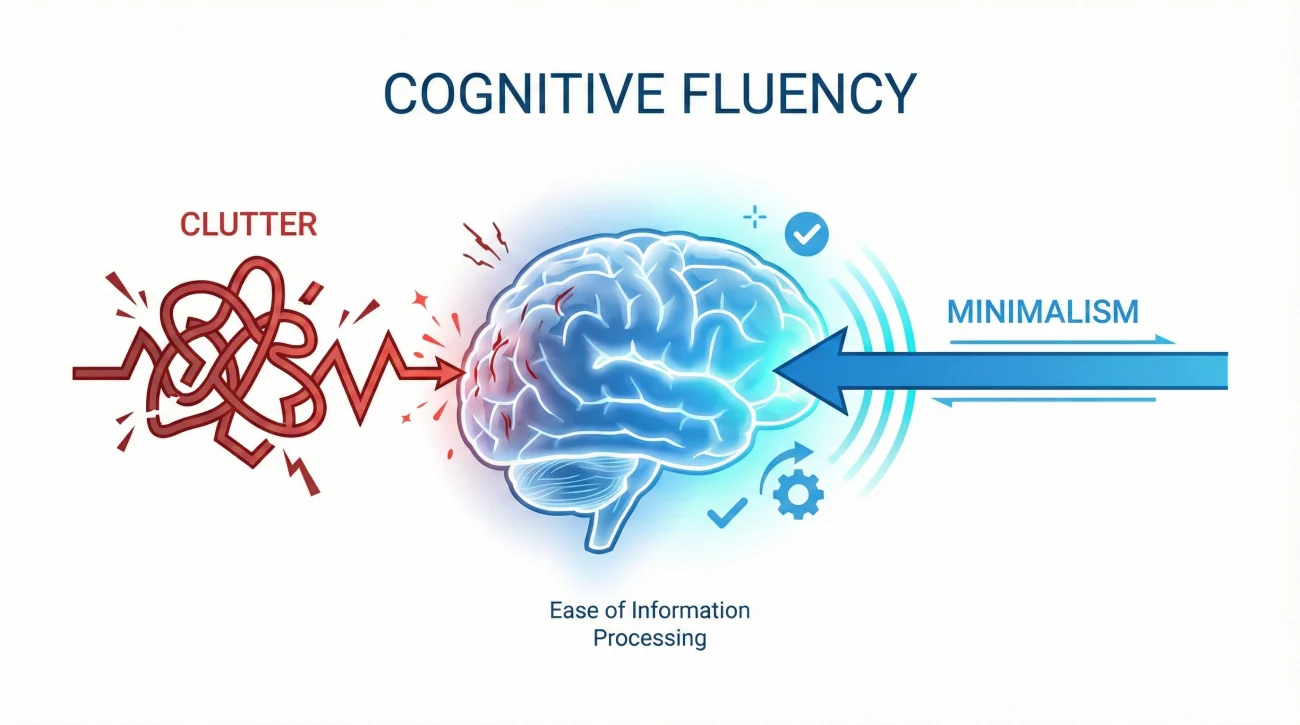
To master the short headline, you must first understand the operating system of your audience: the human brain. Recruiters and clients are scanning, not reading. Their brains are actively looking for shortcuts (heuristics) to process information quickly.
1. Cognitive Fluency & Trust
Psychologists use the term “Processing Fluency” to describe how easily a stimulus can be processed. Research consistently shows that statements which are easier to read are perceived as truer and more intelligent. A short, clean headline (e.g., “Senior Architect”) feels “right” because it requires zero decoding effort. A cluttered headline feels “messy,” and the brain subconsciously associates that messiness with the candidate’s personality.
2. The “Busy” Heuristic (Status Signaling)
In corporate hierarchy, the lower you are, the more you have to prove. Junior employees list tasks (“I do Excel, PowerPoint, Research”). Senior leaders list identities (“Director of Strategy”). By using a short headline, you are hacking this heuristic. You are signaling: “My title alone carries enough weight; I don’t need to list the tools I use to do my job.”
3. The Pattern Interrupt
In a LinkedIn feed dominated by 3-line headlines full of emojis and vertical bars, a 3-word headline stands out like a monolith. It acts as a Pattern Interrupt. It forces the eye to stop because it creates “White Space” in a sea of text. In design, white space is luxury. In personal branding, it is confidence.
Strategic Frameworks by Seniority Level
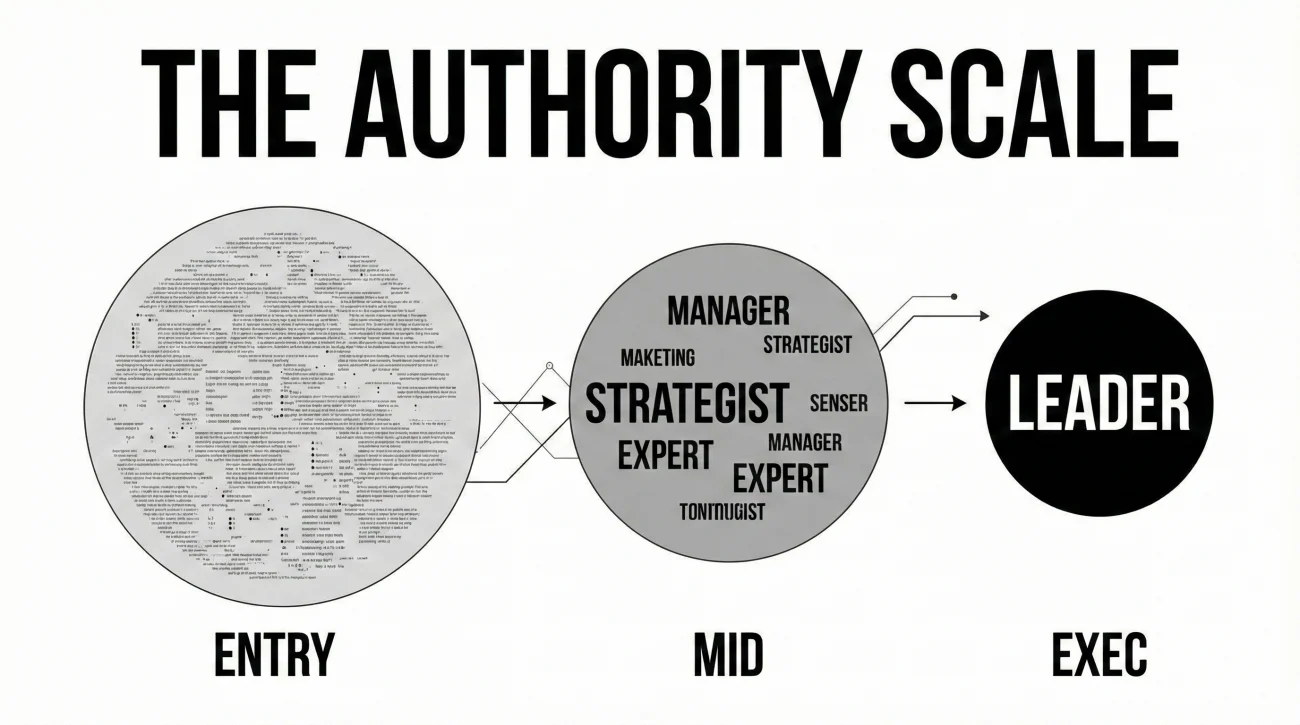
Brevity looks different at different stages of your career. A Junior cannot use the same minimalist strategy as a CEO. Here is how to adapt your strategy to your career level.
Level 1: The “Anchor” Strategy (Entry Level)
You don’t have a big title yet, so you need to anchor yourself to a hard skill or education. You cannot afford to be vague, but you can be concise.
Formula: [Role/Degree] | [Key Hard Skill]
Example: “Junior Data Analyst | Python & SQL” (30 chars)
💡 Why it works: It confirms you have the baseline skills to do the job without looking like you are trying to overcompensate.
Level 2: The “Specialist” Strategy (Mid-Senior)
You are an expert now. You don’t list tools; you list your domain. This is the sweet spot for short headlines.
Formula: [Role] | [Industry Niche]
Example: “Product Manager | B2B Fintech” (29 chars)
💡 Why it works: It positions you not just as a PM, but as a specialized PM. Recruiters pay a premium for specialization.
Level 3: The “Authority” Strategy (C-Suite/VP)
You are selling leadership and vision. Specificity can actually hurt you here (it makes you look tactical). Go broad. Go big.
Formula: [Title] at [Company] (or Industry)
Example: “VP of Engineering at Stripe” (27 chars)
Example: “Chief Marketing Officer | SaaS” (29 chars)
💡 Why it works: The title does all the heavy lifting. Adding “Strategic Thinker” to “CMO” actually lowers the value of the title.
Industry Deep Dive: How Minimalism Applies to Your Sector
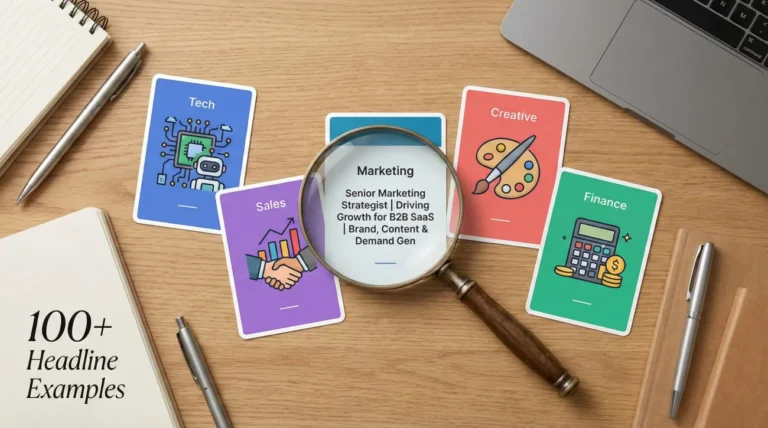
Every industry has a different tolerance for brevity. What works for a Designer might fail for an Accountant. Let’s analyze the nuances across key sectors.
Tech & Engineering Headlines
Engineers value efficiency above all else. A verbose headline signals “Marketing Fluff” to a technical hiring manager. Code is clean; your headline should be too. Focus on the Stack or the System.
- ℹ️ Software Engineer | Distributed Systems
- ℹ️ Frontend Developer | React Core Team
- ℹ️ Senior DevOps | Cloud Infrastructure
- ℹ️ Data Scientist | NLP & LLMs
- ℹ️ Solutions Architect | AWS
- ℹ️ iOS Engineer | Swift
- ℹ️ CTO | Series B Startup
- ℹ️ Cybersecurity Analyst | Threat Intel
- ℹ️ Full Stack Developer | Fintech
- ℹ️ Product Designer | Design Systems
Finance, Law & Consulting Headlines
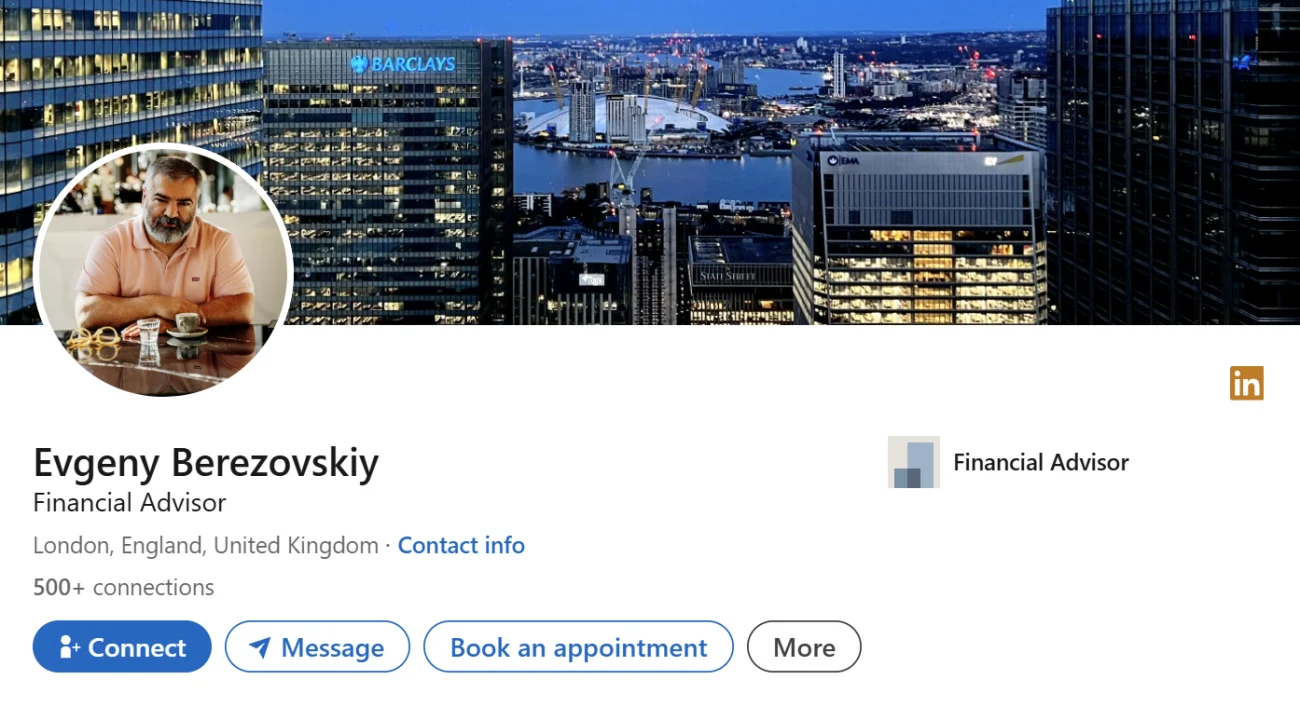
These are “High Trust” industries. Minimalism here signals discretion and professionalism. Flashy adjectives (“Rockstar Attorney”) are deadly. Stick to standard nomenclature.
- ℹ️ Investment Banking Associate | TMT
- ℹ️ Private Equity | Healthcare
- ℹ️ Corporate Counsel | M&A
- ℹ️ Management Consultant | Strategy
- ℹ️ Financial Analyst | FP&A
- ℹ️ Risk Manager | Compliance
- ℹ️ Portfolio Manager | Equities
- ℹ️ CPA | International Tax Strategy
- ℹ️ Forensic Accountant
- ℹ️ Principal | Venture Capital
Creative & Marketing Headlines
Here, the headline is a sample of your work. If you are a Copywriter with a 3-line headline, you have failed the first test: editing. Show, don’t tell. Your headline should be your best tagline.
- ℹ️ Copywriter | B2B SaaS
- ℹ️ Art Director | Brand Identity
- ℹ️ Creative Director | Advertising
- ℹ️ Brand Strategist | Luxury
- ℹ️ UX Researcher | Accessibility
- ℹ️ Head of Growth | D2C
- ℹ️ Content Strategist | Tech
- ℹ️ Video Producer | Documentary
- ℹ️ Minimalist Designer
- ℹ️ Ghostwriter for CEOs
Sales & Business Development Headlines
Sales is about results. Short headlines in sales imply “I don’t need to pitch myself; my numbers do the talking.” Avoid “Quota Crusher” and stick to the segment you own.
- ℹ️ Enterprise Account Executive | SaaS
- ℹ️ VP of Sales | Cybersecurity
- ℹ️ Business Development | Fintech
- ℹ️ Sales Director | EMEA Region
- ℹ️ Strategic Partnerships | Media
- ℹ️ Account Manager | Key Accounts
- ℹ️ Head of Sales Enablement
- ℹ️ Global Sales Operations
- ℹ️ Customer Success Manager | Enterprise
- ℹ️ Sales Engineer | Cloud Solutions
Before & After: The Transformation Case Studies
Let’s look at real-world examples of how pruning a headline increases its perceived value. We will dissect why the change works.
| ❌ Before (The Clutter) | 📉 Perception | ✅ After (The Power) | 📈 Perception |
|---|---|---|---|
| “Passionate Marketing Manager | SEO | SEM | Social Media | Email | Helping brands grow | Results Driven | MBA” | Junior Generalist. Trying too hard to prove worth. Looks like a keyword stuffer who lacks focus. | “Marketing Manager | Growth & Acquisition” | Focused Specialist. Knows their lane. Confident in their core value proposition. Signals strategic thinking. |
| “Sales Rockstar 🚀 | Closing Deals | Account Executive | SaaS | B2B | Hunter | Always Be Closing” | Aggressive/Desperate. Focuses on the “hustle” rather than the business outcome. Emojis reduce gravitas. | “Enterprise Account Executive | SaaS” | Professional Closer. Someone you can trust with a million-dollar account. Signals maturity and reliability. |
| “Software Developer | Python | Java | C++ | AWS | Docker | Kubernetes | HTML | CSS | React | Agile” | Jack of All Trades. Likely knows a little of everything but masters nothing. Looks like a bootcamp grad. | “Senior Backend Engineer | Distributed Systems” | Deep Expert. Solves specific, expensive problems. Signals architectural understanding rather than just coding. |
| “Visionary Leader | Innovator | Change Maker | Strategic Thinker | Inspiring Teams to Success” | Empty Buzzwords. Tells the reader absolutely nothing about what this person actually does for a living. | “VP of Operations | Manufacturing” | Clear Authority. Anchors the leadership skills in a specific domain. Signals operational competence. |
The “Clean Aesthetic” Protocol: Visual Rules for Minimalism
When you use very few words, the visual presentation matters 10x more. The font, the separators, and the casing become the design elements of your brand. You are effectively designing a logo using text.
Rule 1: The Pipe Separator ( | )
The vertical bar (Shift + Backslash) is the gold standard for minimalist separation. It creates a vertical line that stops the eye, creating distinct “buckets” of information. It is mathematically cleaner than other options.
- ❌Messy: Product Manager – Fintech – B2B (Dashes look like subtraction signs)
- ❌Messy: Product Manager • Fintech • B2B (Bullets are okay, but softer)
- ✅Clean: Product Manager | Fintech (Strong, architectural separation)
Rule 2: Title Case Only
Do not capitalize every word (especially prepositions like “for,” “and,” “in”), and definitely do not use ALL CAPS. Using all caps is the digital equivalent of shouting.
- 🔴Bad: HELPING BUSINESSES SCALE WITH ADS (Aggressive)
- 🔴Bad: Helping businesses scale with ads (Looks like a sentence, not a title)
- 🟢Good: Growth Marketer | Paid Acquisition (Professional standard)
Rule 3: Zero Emojis (The Golden Rule)
In a minimalist headline, an emoji is a distraction. It breaks the visual line. Unless you are a Social Media Manager or work in a playful D2C brand, kill the rocket ships 🚀 and fire emojis 🔥. Let the text stand alone.
The “Knife” Method: How to Edit Your Headline Down
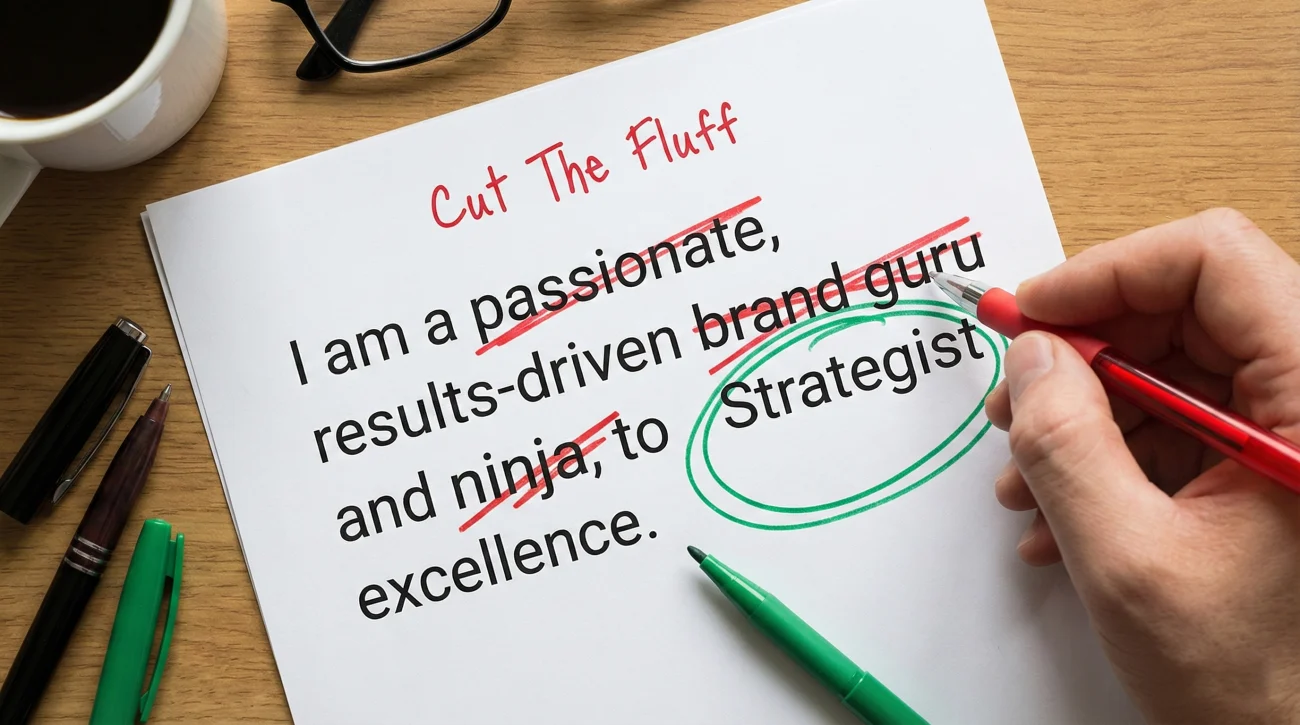
Most people struggle to cut words because they have “Loss Aversion.” They feel like deleting a word means losing an opportunity. Here is a 3-step framework to edit without fear.
Step 1: The Brain Dump
Write down everything you are. Don’t edit yet.
Draft: “Senior Project Manager specializing in Agile methodologies for large Fintech companies with PMP certification and Scrum Master.”
Step 2: The Noun Hunt
Circle the nouns (Project Manager, Fintech). Cross out the adjectives (Senior, large) and verbs (specializing).
Result: “Project Manager | Agile | Fintech | PMP | Scrum Master”
Step 3: The Consolidation
Combine overlapping concepts. “PMP” implies “Project Manager.” “Agile” is standard for “Fintech.”
Final Polish: “Senior Project Manager | Fintech | PMP”
❓ FAQ: Addressing the Fear of Missing Out
📉 Is “Consultant” alone too short?
🏢 Should I include my company name if it’s not famous?
🔄 How do I show I’m “Open to Work” without writing it?
🎨 Are minimalist headlines better for creative roles?
🔍 Will I lose search traffic if I remove keywords?
Final Thoughts: The Confidence of Silence
The best short LinkedIn headline examples share one trait: Radical Clarity. They respect the reader’s time. They exude a quiet confidence that says, “I know my value, and I can state it in three words.”
Do not be afraid of the white space. In a feed full of noise, the person who speaks clearly and concisely is the one who gets heard. Audit your headline today. Cut the fluff. Remove the buzzwords. Anchor yourself in your true professional identity.
Remember, your headline is the title of your book, not the table of contents. Keep it punchy, keep it clean, and let your experience write the rest of the story.
If you want to see how this applies to specific high-level roles, check out our guides on executive branding or browse our industry-specific examples to fine-tune your positioning.