- Core reality: If your headline does not match recruiter search terms, you can be qualified and still stay invisible.
- Algorithm priority: The Headline is the most weighted field, and exact-match titles and hard skills rank best.
- Build it with formulas: Use Role + Skills + Industry, add a second title when synonyms exist, or lead with credentials for regulated fields.
- Avoid the danger zone: Optimization needs structure and grouping, while keyword stuffing looks spammy and kills clicks.
- Repeatable system: Research keywords from job posts and auto-complete, keep SEO plus readability balanced, then measure search appearances and iterate.
The Invisible Barrier: Why Keyword Optimization Matters
There is a harsh reality on LinkedIn that few professionals discuss: You can be the most qualified candidate in your field, possess a decade of stellar experience, and hold degrees from prestigious universities, yet remain completely invisible. In the digital hiring landscape, competency does not guarantee visibility. If a recruiter types “SaaS Product Manager” into the search bar and your headline reads “Passionate Innovation Leader,” you simply do not exist in their results.
A keyword optimized LinkedIn headline is not about “gaming the system” or stripping away your personality. It is about translation. It is the strategic act of translating your unique career narrative into the precise language that hiring managers, recruiters, and Applicant Tracking Systems (ATS) use to find talent. While creative headlines rely on intrigue and minimalist headlines rely on brand equity, keyword-optimized headlines prioritize one metric above all others: discoverability.
Every single day, millions of searches are conducted on the platform. These are not vague searches for “good employees.” They are specific, targeted queries for hard skills and standardized job titles: “Full-Stack Developer,” “Forensic Accountant,” “Supply Chain Director.” If these critical signal words are missing from your headline – the most heavily weighted search field on your profile – you are effectively opting out of the market. In this comprehensive guide, we will move beyond basic “buzzword removal” and delve into the science of searchability. You will learn how to reverse-engineer recruiter psychology, balance SEO with human readability, and craft a headline that captures both algorithms and attention.
Deconstructing the LinkedIn Search Algorithm
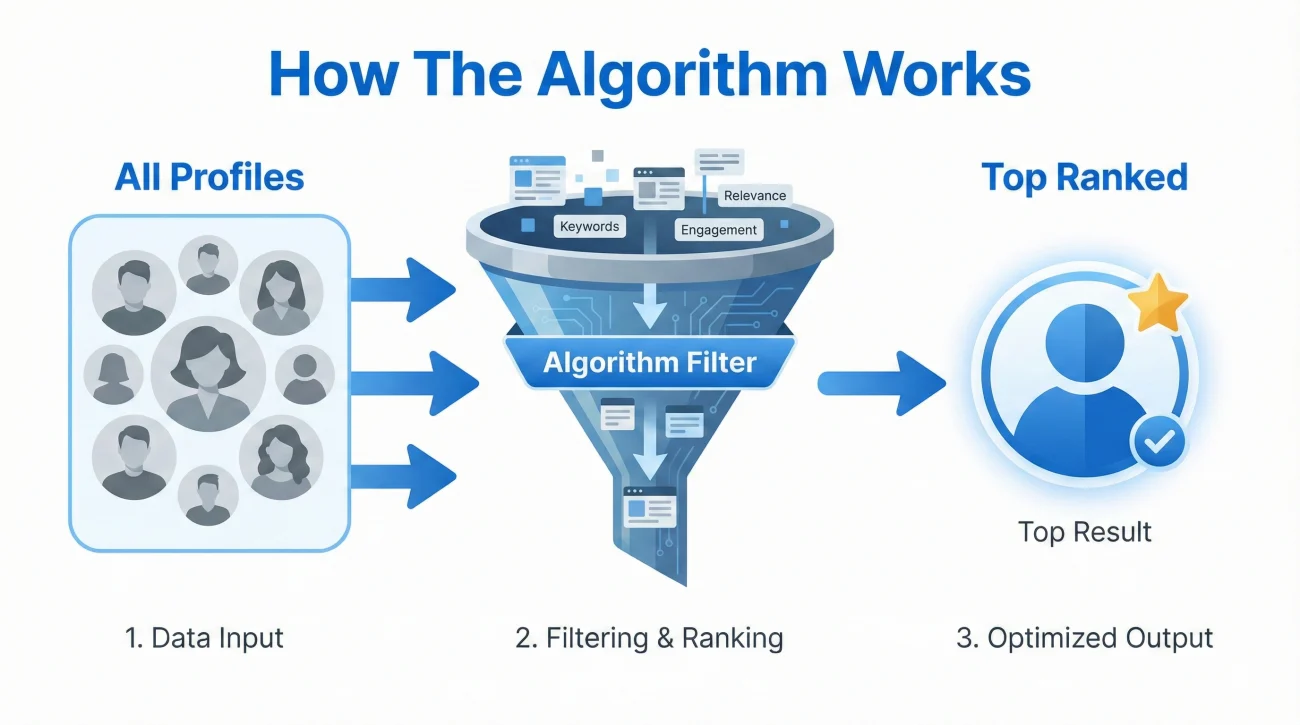
To master optimization, you must first understand the machine you are communicating with. LinkedIn’s search algorithm functions similarly to Google’s, but with a specific focus on talent matching. Understanding its hierarchy is crucial for your strategy.
The “Prime Real Estate” of Search
Not all text on your profile is created equal. The algorithm assigns different “weights” to different sections. Your Headline is, without question, the most heavily weighted field. A keyword placed in your headline is estimated to be 3 to 5 times more powerful than the same keyword buried in your About section or Experience descriptions. This means your headline is ground zero for your SEO strategy. It is not just a title; it is a metadata tag for your professional identity.
Recruiter Psychology vs. Candidate Ego
There is often a disconnect between how we see ourselves and how the market buys our labor. Candidates love to describe themselves with soft skills: “Visionary,” “Change Agent,” “Problem Solver.” Recruiters, however, search for hard skills and titles. They are operating under specific requisitions. They type “Java Developer,” not “Code Wizard.” They type “Project Manager,” not “Taskmaster.” Optimization requires you to set aside your ego and adopt the nomenclature of the buyer.
The Nuance of Exact Match
While LinkedIn’s semantic search is improving (understanding that “Coder” is related to “Developer”), exact match keywords still rank significantly higher. If a job requisition asks for a “Customer Success Manager,” a profile with that exact phrase will likely outrank a profile that says “Client Happiness Lead.” This is why reviewing job descriptions is not just about understanding the role – it is about harvesting the exact syntax used by your target employers.
“Optimization is an act of empathy. It involves understanding the specific language your future employer is using to find a solution, and then mirroring that language back to them in your headline.”
Strategic Formulas for High-Visibility Headlines
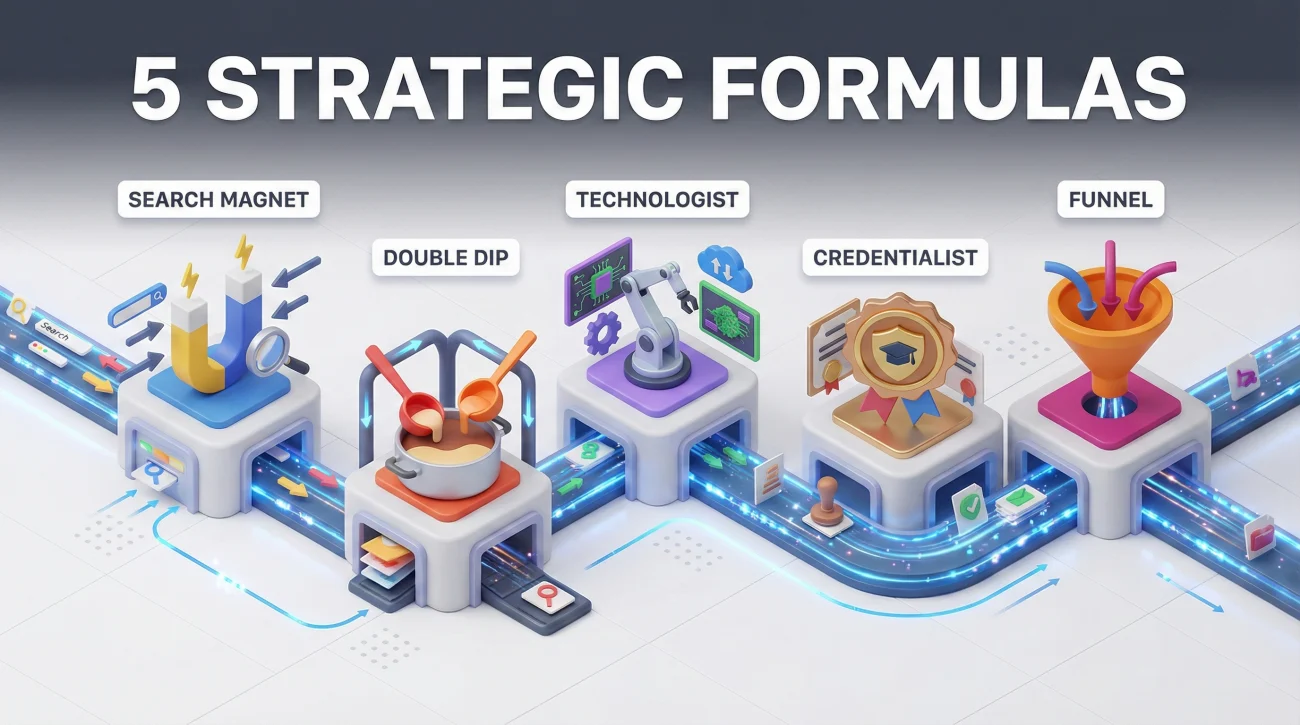
How do you pack high-value keywords into 220 characters without sounding like a robot? We have developed five formulas that balance density with dignity.
Formula 1: The “Search Magnet” (Role + Skills + Industry)
Example:
Product Manager | Agile, Scrum, Product Strategy | B2B SaaS
The Strategy: This is the workhorse of SEO headlines. It hits three distinct search buckets: the Title (Product Manager), the Hard Skills (Agile, Scrum), and the Sector (B2B SaaS). A recruiter searching for any combination of these terms – e.g., “SaaS Product Manager” or “Agile Product Strategy” – will find this profile. It covers all bases efficiently.
Formula 2: The “Double Dip” (Primary Title | Alternate Title)
Example:
Full-Stack Developer | Software Engineer | React & Node.js
The Strategy: In many industries, job titles are fluid. Is it “Partnerships Manager” or “Business Development Manager”? Is it “Content Writer” or “Copywriter”? This formula uses both. By including “Full-Stack Developer” AND “Software Engineer,” you ensure you appear in search results regardless of which synonym the recruiter prefers. You are casting a wider net.
Formula 3: The “Technologist” (Role | Tech Stack | Outcome)
Example:
Data Analyst | SQL, Python, Tableau | Turning Data into Business Insights
The Strategy: For technical roles, the specific tools often matter as much as the title. Recruiters frequently perform Boolean searches like “Analyst AND Python AND Tableau.” This formula puts those critical hard skills front and center, while the final clause adds a human touch that explains the value of those skills.
Formula 4: The “Credentialist” (Certification | Role | Specialty)
Example:
CPA | Senior Accountant | Tax & Audit | Healthcare Industry
The Strategy: In regulated industries like finance, healthcare, or law, certifications are often the first filter applied. If a role requires a CPA, a recruiter might filter out everyone else immediately. Leading with the credential acts as an instant trust signal and ensures you pass the initial screening.
Formula 5: The “Funnel” (Broad → Specific → Niche)
Example:
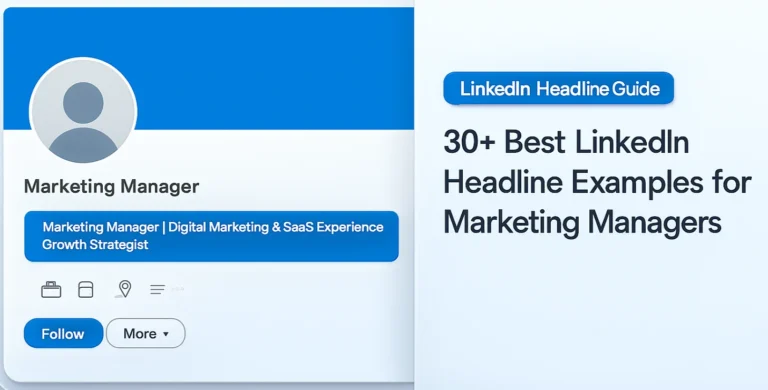
Marketing Manager | Digital Marketing | SEO, SEM, Content Strategy | B2C Growth
The Strategy: This approaches keywords in layers. “Marketing Manager” captures the broad searches. “Digital Marketing” captures the medium-intent searches. “SEO/SEM” captures the specific, high-intent searches. You are creating multiple entry points for people to discover your profile.
40+ Examples of Keyword-Optimized Headlines

Below is a curated list of headlines across various industries. Note how they avoid fluff and focus entirely on searchable terminology. Use these as a template for your own optimization.
Technology & Engineering
- ℹ️ Software Engineer | Full-Stack Developer | JavaScript, React, Node.js | Web Applications
- ℹ️ Senior Software Developer | Backend Engineer | Python, Django, PostgreSQL | API Development
- ℹ️ Frontend Developer | Web Developer | React, TypeScript, CSS | User Interface Design
- ℹ️ Data Engineer | ETL, Data Pipelines | Python, SQL, AWS | Big Data Solutions
- ℹ️ DevOps Engineer | Cloud Infrastructure | AWS, Docker, Kubernetes | CI/CD Automation
- ℹ️ Mobile Developer | iOS Engineer | Swift, SwiftUI | Native App Development
Data Science & Analytics
- ℹ️ Data Analyst | Business Intelligence | SQL, Python, Tableau | Data Visualization
- ℹ️ Data Scientist | Machine Learning Engineer | Python, TensorFlow, Scikit-learn | Predictive Analytics
- ℹ️ Business Analyst | Data Analytics | SQL, Excel, Power BI | Requirements Gathering
- ℹ️ Analytics Manager | Business Intelligence | Data Strategy, KPI Tracking | SaaS Metrics
- ℹ️ Financial Analyst | Financial Modeling | Excel, SQL, Financial Planning & Analysis (FP&A)
Marketing & Digital Growth
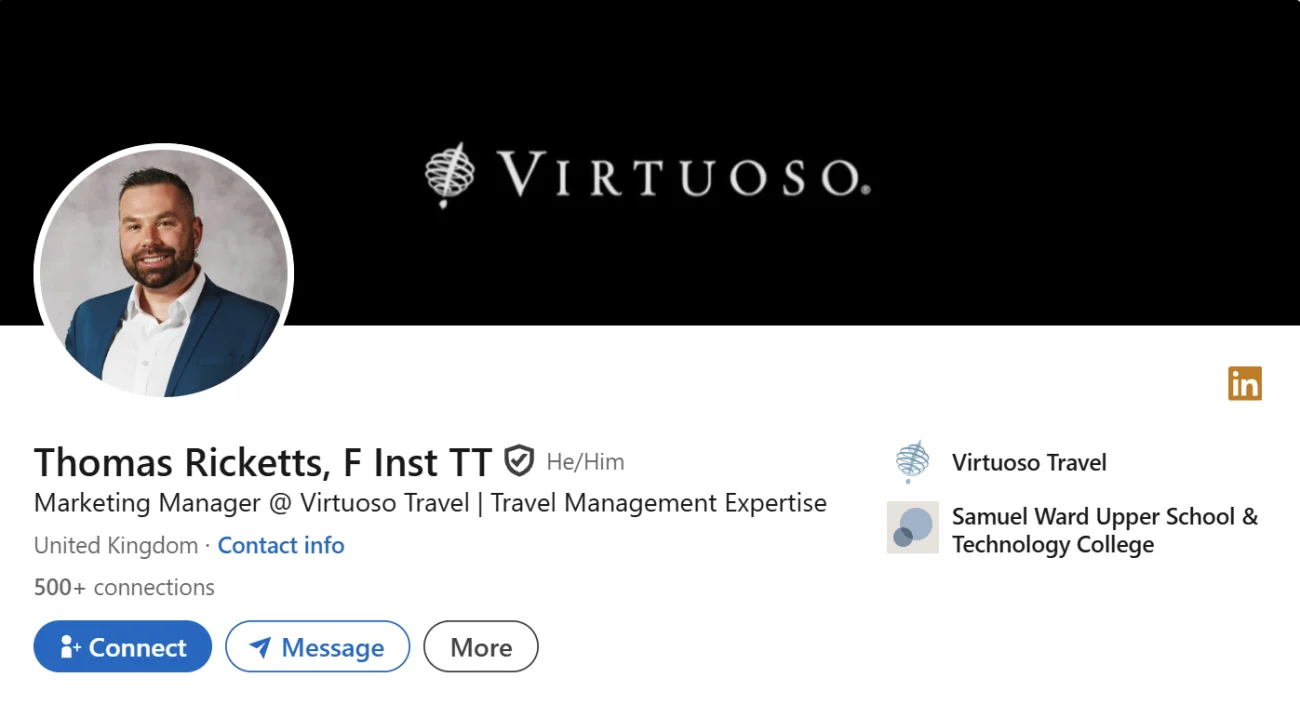
- ℹ️ Digital Marketing Manager | SEO, SEM, Content Marketing | B2B Lead Generation
- ℹ️ Marketing Manager | Growth Marketing | Demand Generation, Marketing Automation | SaaS
- ℹ️ Social Media Manager | Content Creator | Instagram, TikTok, LinkedIn | Community Growth
- ℹ️ SEO Specialist | Search Engine Optimization | Keyword Research, Link Building | Organic Traffic
- ℹ️ Content Marketing Manager | Content Strategy | Blog, Email, Video | Inbound Marketing
- ℹ️ PPC Specialist | Paid Advertising | Google Ads, Facebook Ads | Performance Marketing
Product Management
- ℹ️ Product Manager | Product Strategy | Agile, Scrum | B2B SaaS Products
- ℹ️ Senior Product Manager | Product Development | Roadmap Planning, User Research | Mobile Apps
- ℹ️ Technical Product Manager | Product Management | APIs, Developer Tools | Platform Products
- ℹ️ Product Owner | Agile Product Management | User Stories, Backlog Prioritization | Scrum
- ℹ️ Associate Product Manager | Product Analytics | A/B Testing, User Metrics | Growth Products
Design & User Experience (UX)
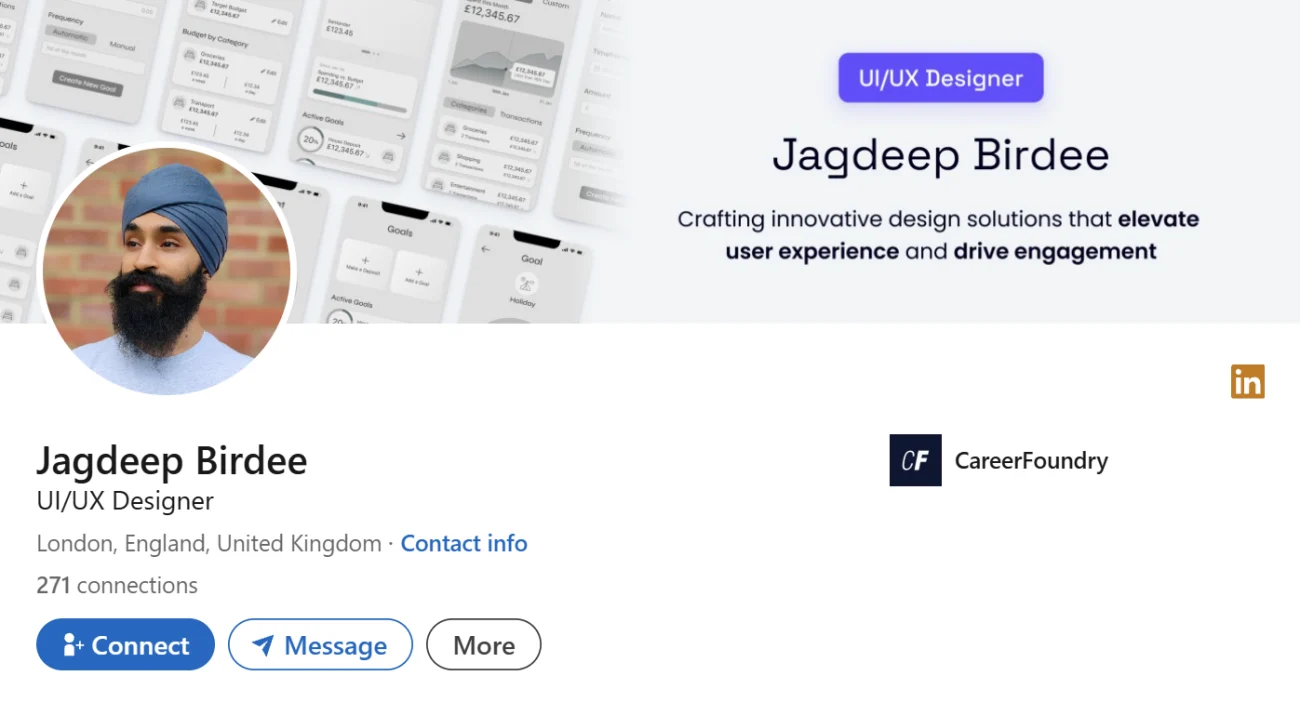
- ℹ️ UX Designer | User Experience Design | Figma, User Research | Mobile & Web
- ℹ️ UI/UX Designer | Product Designer | Wireframing, Prototyping, Design Systems | SaaS Products
- ℹ️ Graphic Designer | Visual Designer | Adobe Creative Suite, Branding | Digital & Print
- ℹ️ Web Designer | Frontend Design | HTML, CSS, Webflow | Responsive Websites
- ℹ️ Brand Designer | Visual Identity | Logo Design, Brand Guidelines | Startup Branding
Sales & Business Development
- ℹ️ Sales Manager | Account Executive | B2B Sales | SaaS Sales | Enterprise Sales
- ℹ️ Business Development Manager | BDM | Lead Generation, Pipeline Management | B2B Software
- ℹ️ Sales Representative | Inside Sales | Cold Calling, CRM (Salesforce) | Tech Sales
- ℹ️ Account Manager | Customer Success | Account Management, Retention | SaaS Accounts
- ℹ️ Sales Engineer | Technical Sales | Pre-Sales, Solution Engineering | Enterprise Software
Finance & Accounting

- ℹ️ CPA | Senior Accountant | Financial Reporting, Tax Compliance | GAAP | Public Accounting
- ℹ️ Financial Analyst | FP&A | Financial Planning & Analysis | Budget Modeling | Excel
- ℹ️ Accountant | Staff Accountant | General Ledger, Month-End Close | QuickBooks
- ℹ️ Controller | Finance Manager | Accounting Operations, Financial Reporting | Manufacturing
- ℹ️ Tax Accountant | CPA | Corporate Tax, Tax Planning | Multi-State Tax Compliance
Human Resources & Talent Acquisition
- ℹ️ Technical Recruiter | Talent Acquisition | Engineering Recruiting | Tech Hiring | Sourcing
- ℹ️ HR Manager | Human Resources | Employee Relations, HRIS, Payroll | Benefits Administration
- ℹ️ Recruiter | Corporate Recruiter | Full-Cycle Recruiting | Applicant Tracking Systems (ATS)
- ℹ️ HR Business Partner | HRBP | Talent Management, Performance Management | Strategic HR
- ℹ️ Talent Acquisition Manager | Recruiting Manager | Employer Branding, Campus Recruiting
Operations & Project Management

- ℹ️ Project Manager | PMP | Project Management | Agile, Waterfall | IT Projects
- ℹ️ Operations Manager | Supply Chain | Logistics, Inventory Management | Process Improvement
- ℹ️ Scrum Master | Agile Coach | Scrum, Kanban | Agile Transformation | Certified Scrum Master
- ℹ️ Program Manager | Project Portfolio Management | Stakeholder Management | Enterprise Programs
- ℹ️ Operations Analyst | Business Operations | Process Optimization, Data Analysis | Operational Excellence
Healthcare & Medical
- ℹ️ Registered Nurse | RN | Critical Care Nursing | ICU, Emergency Department | ACLS Certified
- ℹ️ Nurse Practitioner | NP | Family Medicine | Primary Care | Board Certified
- ℹ️ Healthcare Administrator | Hospital Administration | Healthcare Operations | Regulatory Compliance
- ℹ️ Medical Assistant | Clinical Assistant | Patient Care, EHR (Electronic Health Records) | Medical Office
- ℹ️ Physical Therapist | PT | Orthopedic Physical Therapy | Sports Rehabilitation | Licensed PT
The Danger Zone: Keyword Optimization vs. Keyword Stuffing
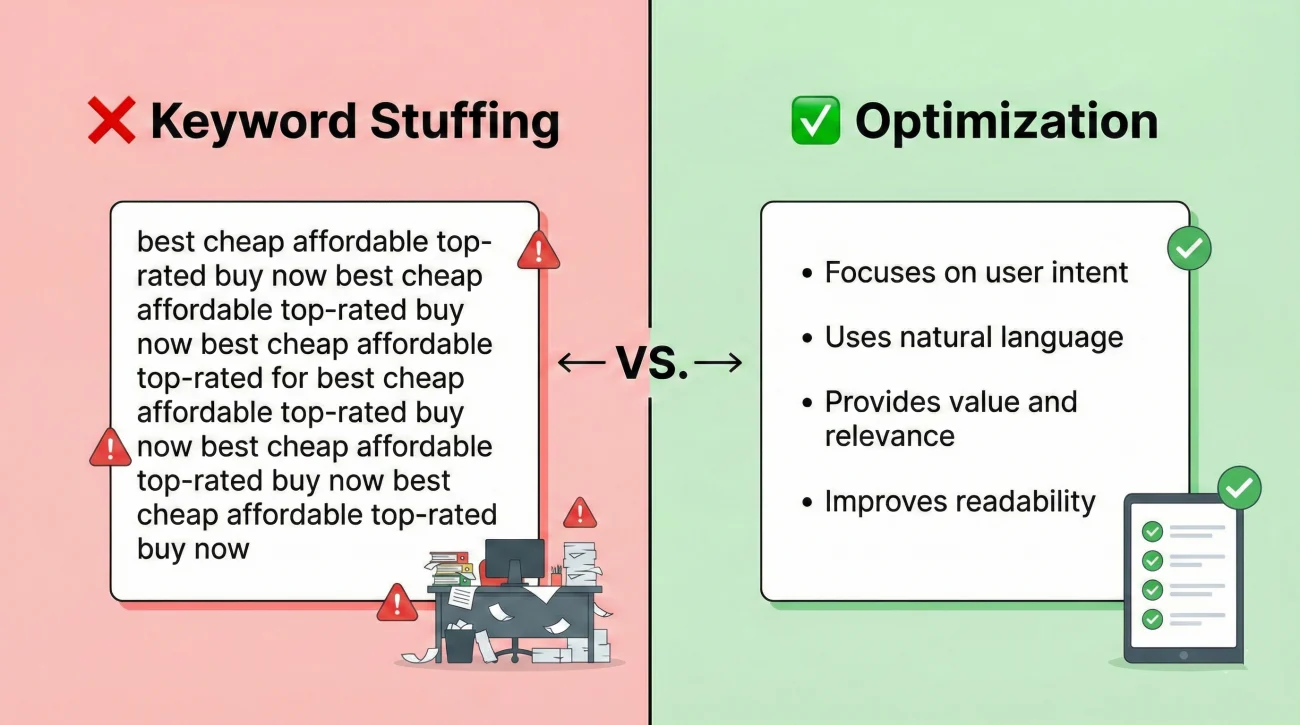
This is where many professionals lose their way. There is a fine, critical line between a profile that is optimized and a profile that looks like spam. LinkedIn’s algorithm is becoming smarter; it can detect “stuffing” – the practice of loading a profile with lists of words without context.
If your headline looks like a dictionary vomit, you might appear in search results, but humans won’t click on you. You need to appeal to the algorithm to get found and to the human to get clicked.
| ❌ Keyword Stuffing (The “Robot” Approach) | ✅ Keyword Optimization (The “Professional” Approach) |
|---|---|
| “Developer Engineer Programmer Coder Software JavaScript Python Java React Node” | “Software Engineer | Full-Stack Developer | JavaScript, React, Node.js” |
| “Marketing SEO SEM Content Digital Social Media Email Manager Specialist” | “Digital Marketing Manager | SEO, SEM, Content Strategy | B2B Growth” |
| “Sales Account Executive Manager Representative BDM Business Development” | “Sales Manager | Account Executive | B2B SaaS Sales” |
| “Designer UX UI Graphic Visual Web Brand Creative Figma Adobe” | “UX/UI Designer | Product Design | Figma, User Research” |
| “Data Analyst Scientist Engineer SQL Python R Tableau Excel PowerBI” | “Data Analyst | Business Intelligence | SQL, Python, Tableau” |
The difference is structure. Optimized headlines use separators and logical grouping to create a narrative flow. Stuffed headlines are just a desperate grab for attention that ultimately repels quality connections.
The Research Phase: How to Find Your Keywords
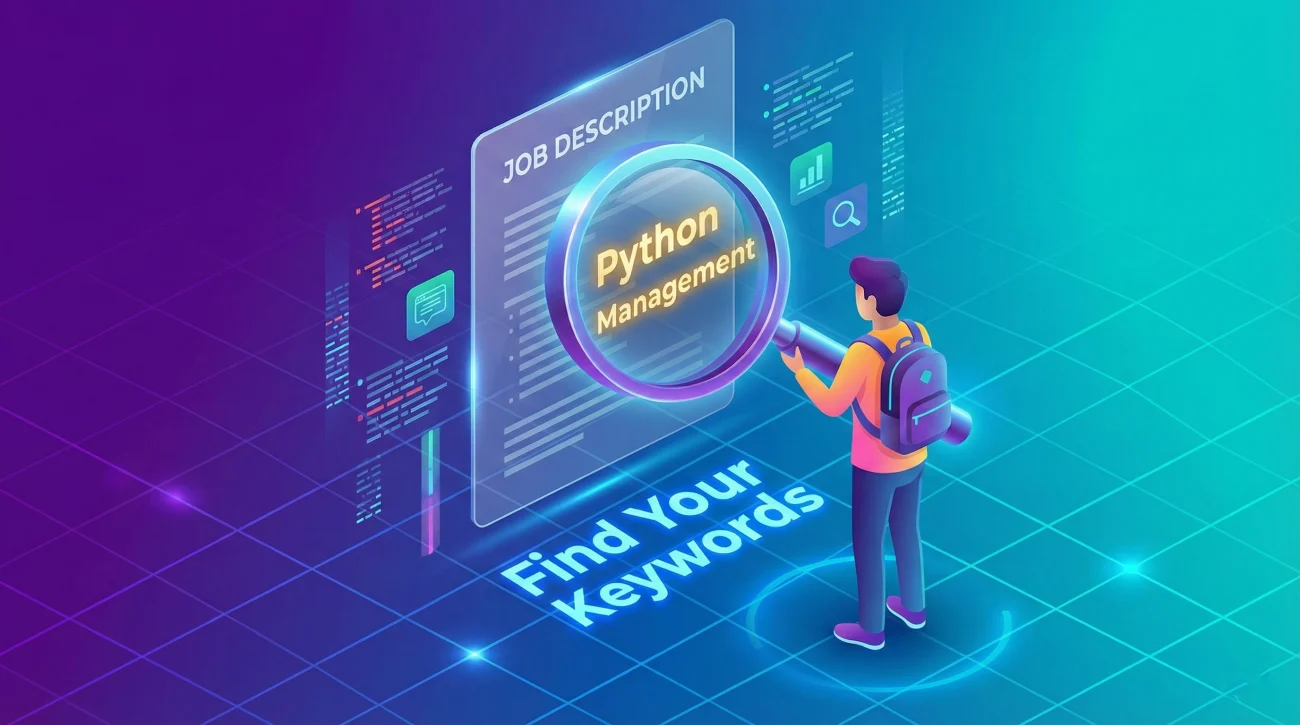
Do not guess. Do not assume you know what recruiters are searching for. The most effective optimization is data-driven. Follow this four-step research protocol to identify the “money words” for your career.
Step 1: The Job Description Audit
Open 10 to 15 job postings for the roles you want next (not the role you have now). Copy and paste them into a document. Highlight the titles and hard skills that appear repeatedly. If 12 out of 15 postings ask for “Product Roadmap” and only 2 ask for “Product Vision,” then “Product Roadmap” is your keyword. You are looking for patterns, not preferences.
Step 2: Leveraging Auto-Complete
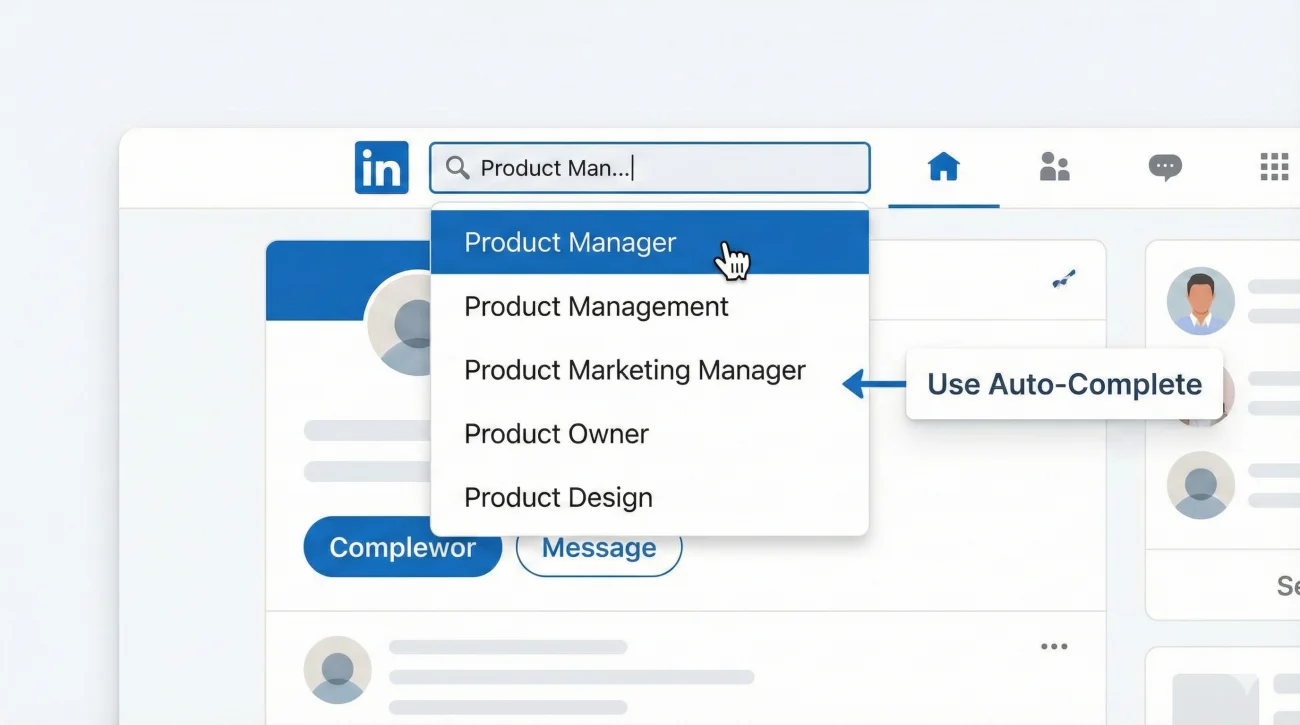
Use LinkedIn’s search bar as a research tool. Start typing your role slowly. The dropdown suggestions that appear are not random; they are ordered by search volume. If you type “Marketing M” and “Marketing Manager” appears above “Marketing Mastermind,” you know which one the market prefers. Use the terms the platform suggests to you.
Step 3: The “Skills” Validation
Navigate to the “Skills” section of your profile or the profiles of industry leaders. Look at which skills have the most endorsements. Highly endorsed skills are generally highly searched skills. Incorporate the top 2-3 of these directly into your headline.
Step 4: The Peer Review
Search for people who currently hold your dream job at your dream company. What do the Senior Engineers at Google call themselves? What do the Marketing Directors at Nike list in their headlines? Success leaves clues. If the industry standard is shifting from “Human Resources” to “People Operations,” your headline needs to reflect that shift to stay relevant.
“The best keywords are rarely the most creative ones. They are the most common ones. Your goal is to be found, not to be unique.”
The Art of Balance: SEO + Readability
Once you have your keywords, the challenge is assembly. You must construct a headline that satisfies the search bot while still feeling like a human introduction.
Logical Grouping
Group related concepts together. Put your title with your title. Put your tech stack with your tech stack.
🟢 Good: “Product Manager | B2B SaaS | Agile & Scrum”
🔴 Bad: “Product Manager | Agile | B2B | Scrum | SaaS”
The second example forces the brain to jump between categories, creating cognitive friction.
The Hierarchy of Importance
Place your most critical keywords at the beginning (left side) of the headline. While the search weight is generally consistent across the field, human attention is weighted heavily to the left. A recruiter scanning a list of 50 candidates will often only read the first 40 characters of each headline.
The “Bar Test”
Imagine you are at a bar or a networking event. If someone asked what you did, and you read your headline aloud, would they understand you? Or would they think you were having a stroke? If you can’t say it naturally, it’s too stuffed. A good headline should sound like a professional introduction, just slightly more condensed.
Prioritization: What Makes the Cut?
You have limited space. You cannot include everything. Use this prioritization matrix to decide what stays and what goes.
High-Priority (Must Include)
These are the non-negotiables. Without these, you are invisible to the core search.
- ✅ Primary Job Title: The exact match from your target job postings.
- ✅ Hard Industry Keywords: “SaaS,” “FinTech,” “Pharmaceuticals.”
- ✅ Critical Certifications: CPA, CFA, MD, PMP (if required for the role).
Medium-Priority (Include if Space Permits)
These help with specific queries and add credibility.
- Hard Skills/Tools: Python, Salesforce, SEO, GAAP.
- Methodologies: Agile, Six Sigma, Human-Centered Design.
- Secondary Titles: “Writer/Editor,” “Coach/Mentor.”
Low-Priority (Remove Immediately)
These take up space without adding search value.
- ❌ Soft Skills: “Leader,” “Team Player,” “Communicator.” (Prove these in your About section).
- ❌ Generic Tools: “Microsoft Office,” “Zoom,” “Email.” (These are assumed).
- ❌ Subjective Adjectives: “Passionate,” “Dedicated,” “Enthusiastic.” (These are opinions, not facts).
Tactics for the Active Job Seeker
If you are currently unemployed or actively looking, your keyword strategy needs to be more aggressive. You need to signal availability without sounding desperate.
The Signal Keywords
You can use the end of your headline to include terms like:
• “Available for New Opportunities”
• “Seeking Product Roles”
• “Open to Contract Work”
This creates a match for recruiters who specifically filter for available candidates.
Geography as a Keyword
Despite the rise of remote work, many roles are still location-dependent. If you are targeting a specific city, include it. “Sales Manager | New York City Metro” helps you appear in localized searches that filter out remote candidates.
Defining Seniority
Recruiters often filter by experience level to weed out candidates who are too junior or too expensive. Be explicit: “Senior,” “Lead,” “Principal,” “Director,” “Entry-Level.” This ensures you are found for the right level of role, saving everyone time.
Measure, Iterate, Improve
Your headline is not a tattoo; it is a digital billboard. It should be tested and changed based on data.
The Dashboard of Success
How do you know if your keywords are working? Monitor these three metrics:
1. Search Appearances: LinkedIn provides a weekly stat on how often you appeared in search. If this number goes up after an update, your SEO is working.
2. Profile Views: Are people clicking through? If you have high search appearances but low views, your headline might be visible but unappealing (too stuffed).
3. Inbound Connection Quality: Are the people connecting with you relevant to your field? If you are a designer getting connection requests from accountants, your keywords are misaligned.
The A/B Testing Method
Do not change your entire headline at once. Change one variable. Add “SaaS” and wait two weeks. Did your views go up? Keep it. Did they go down? Revert. Treat your profile like a product you are optimizing.
The Optimization Checklist
Before you publish, run your headline through this final quality assurance check:
- ✅ Target Match: Does it contain the exact job title I am targeting?
- ✅ Keyword Density: Have I included 3-5 high-value hard skills?
- ✅ Readability: Are the keywords separated by clean delimiters (| or -)?
- ✅ Humanity: Can I read it aloud without running out of breath?
- ✅ Prioritization: Are the most important terms on the left?
- ✅ Validation: Are these terms actually used in job descriptions?
- ✅ Length: Is it utilized well (near 220 chars) without being spammy?
❓ Frequently Asked Questions
💼 Does LinkedIn headline SEO really work?
📊 How many keywords should I include?
🎯 Should I use synonyms or pick one term?
🔄 How often should I update my keywords?
💡 Can I optimize for multiple roles?
Final Thoughts: Speaking the Language of Opportunity
A keyword optimized LinkedIn headline is your handshake with the digital world. Before a human ever assesses your personality, your culture fit, or your potential, an algorithm must first decide if you are relevant. By ignoring keywords, you are failing that first test.
The difference between “Passionate team player helping companies succeed” and “Product Manager | Agile, Scrum, Product Strategy | B2B SaaS” is not just stylistic. It is functional. One is a nice sentiment that no one searches for. The other is a precise geolocation beacon that helps opportunity find you. It respects the recruiter’s time by telling them exactly what you do, and it respects your own career by ensuring your hard-earned skills are visible.
Research the terms that define your value. Test them. Refine them. Do not let your career stagnate because you refused to speak the language of the market. Optimization is not selling out; it is simply ensuring that the door is open when opportunity knocks.
Ready to optimize your entire profile? Check out our complete LinkedIn headline guide or explore different approaches in our headline library.