- Why quote headlines fail: Generic motivational lines make you blend in, while original one-liners act like positioning taglines that stick.
- When they work: Consultants, coaches, creatives, founders, and personal-brand roles where your approach is the differentiator.
- When they backfire: Traditional corporate and technical job searches where recruiters filter by concrete titles and skills, plus early-career profiles without proof.
- How to make them effective: Customize placeholders with specific audience, niche, and outcomes, then add searchable keywords alongside the tagline.
- Mistakes to avoid: Famous quotes, vague claims, clever-but-unclear wordplay, and big aspirational statements without a track record.
Why Most Quote-Based Headlines Fail
You’ve seen them: LinkedIn headlines stuffed with motivational quotes about passion, innovation, or thinking outside the box. These generic linkedin header quotes make profiles blend together rather than stand out. The irony is that people use quotes to seem unique, but most quote-based headlines sound identical because everyone pulls from the same limited pool of inspirational sayings.
Effective quote-style headlines work differently. They’re not borrowed wisdom from famous figures – they’re original one-liners that capture your specific value proposition in a memorable way. Think taglines, not testimonials. The best performers combine positioning clarity with personality, giving readers an instant sense of who you are and what you deliver.
This guide provides 32+ ready-to-adapt templates organized by professional context. These aren’t generic motivational quotes you’d find on a poster. They’re proven frameworks that establish expertise while maintaining the punchy, quotable quality that makes headlines memorable and searchable.
When Quote-Style Headlines Work and When They Don’t
Quote-based approaches succeed in specific scenarios but backfire in others. Understanding when to use this style prevents the common mistake of choosing format over function.
One-liners work well for consultants, coaches, and service providers who need to communicate their philosophy or approach quickly. “Turning Data Into Decisions” tells prospects exactly what a consultant does while being memorable enough to stick. The quote format works because the business model requires positioning differentiation that goes beyond job titles.
They also suit creative professionals, entrepreneurs, and thought leaders building personal brands. When your reputation matters as much as your resume, a distinctive one-liner helps people remember and refer you. “Building Products People Actually Want” positions a product manager as user-focused without listing generic skills. The statement becomes part of your professional identity.
Quote-style headlines fail for traditional corporate roles where recruiters search for specific job titles and technical skills. If you’re a software engineer at Microsoft targeting similar roles, “Code is Poetry” won’t help you appear in searches for “Senior Software Engineer Java.” Technical roles need searchable keywords over clever taglines because hiring managers filter by concrete qualifications first.
They’re also wrong for job seekers early in their careers who lack the credibility to make bold positioning statements. A recent graduate claiming “Transforming Industries Through Innovation” sounds presumptuous without supporting evidence. Junior professionals need to demonstrate competence before they can credibly position themselves with big-picture quotes. Build your track record first, then add aspirational positioning once you’ve earned it.
The format works best when you’ve established enough expertise that your approach itself becomes your differentiator. Until then, clarity and searchability matter more than memorable taglines.
Professional One-Liners by Function
These linkedin one liners are organized by professional function. Replace bracketed placeholders with your specifics:
Sales & Business Development
- ℹ️ Building Partnerships That Drive [Revenue/Growth/Results]
- ℹ️ Helping [Industry] Companies Scale Through Strategic Sales
- ℹ️ Turning Conversations Into Long-Term Client Relationships
- ℹ️ Solving [Problem] for [Target Customer] Through [Solution]
Marketing & Creative
- ℹ️ Creating Brands People Actually Remember
- ℹ️ Turning Ideas Into Campaigns That Convert
- ℹ️ Making Complex [Products/Services] Easy to Understand
- ℹ️ Building Audiences, Not Just Followers
Technology & Engineering
- ℹ️ Building Systems That Scale Beyond Expectations
- ℹ️ Solving Hard Problems With Clean Code
- ℹ️ Making Technology Work for Real People
- ℹ️ Shipping Products Users Love, Not Just Use
Industry-Specific Quote Templates
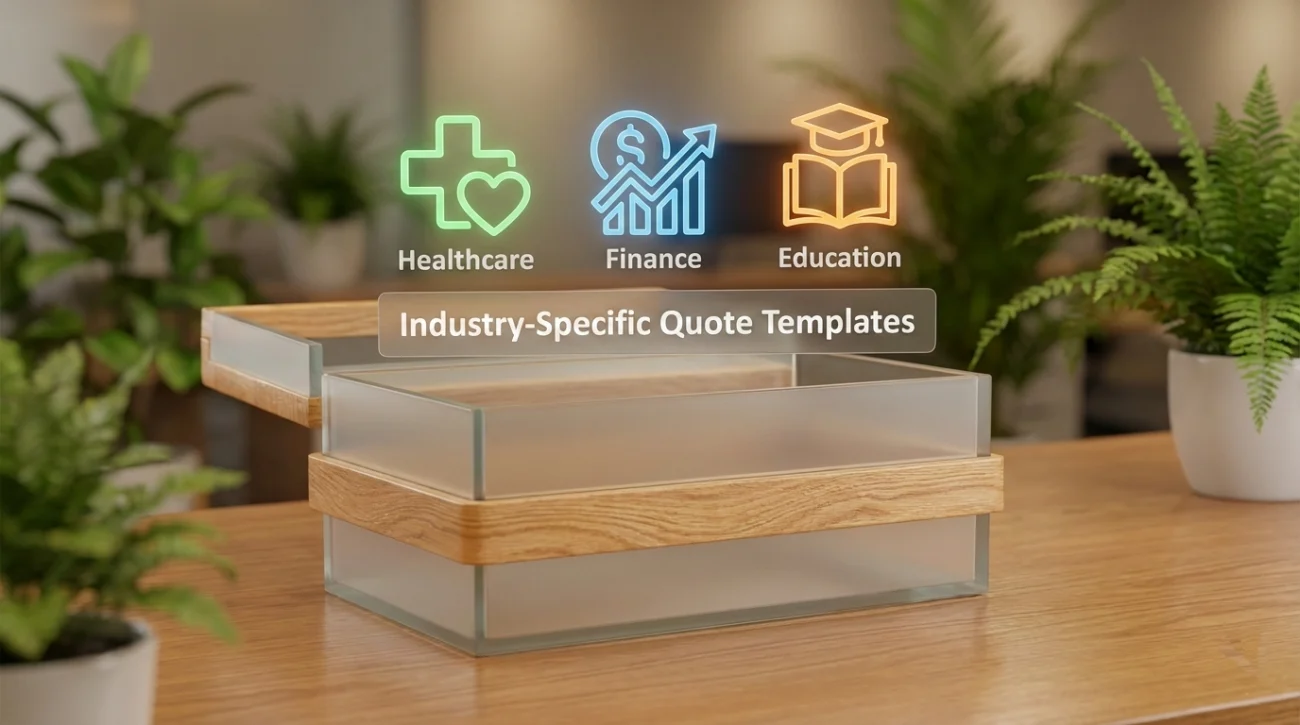
These templates adapt to specific industries while maintaining the quote-style format that makes them memorable:
Healthcare & Wellness
- ℹ️ Improving Patient Outcomes Through [Approach/Technology]
- ℹ️ Making Healthcare More Human, One Patient at a Time
- ℹ️ Bridging the Gap Between Medicine and Patient Experience
- ℹ️ Transforming Care Delivery With Data-Driven Insights
Finance & Consulting
- ℹ️ Turning Financial Complexity Into Clear Strategy
- ℹ️ Helping [Companies/Leaders] Make Confident Financial Decisions
- ℹ️ Finding Opportunities Others Miss in [Market/Sector]
- ℹ️ Protecting and Growing Wealth Through Proven Strategies
Education & Training
- ℹ️ Developing Tomorrow’s [Leaders/Innovators/Professionals]
- ℹ️ Making Learning Stick Through Experience, Not Just Content
- ℹ️ Building Skills That Actually Matter in [Industry/Field]
- ℹ️ Empowering [Students/Teams/Organizations] to Reach Their Potential
Aspirational Positioning Statements
These work for established professionals with track records to back up bigger claims. Avoid if you’re early career:
- ℹ️ Redefining How [Industry] Thinks About [Problem/Opportunity]
- ℹ️ On a Mission to Make [Vision] the New Standard
- ℹ️ Proving That [Old Assumption] No Longer Has to Be True
- ℹ️ Leading the Shift From [Old Way] to [New Approach]
- ℹ️ Building the Future of [Industry/Category] Today
- ℹ️ Championing [Cause/Change] in [Industry/Community]
- ℹ️ Showing [Audience] What’s Possible When [Condition]
- ℹ️ Turning [Industry] Skeptics Into Believers Through Results
How to Adapt These Templates Effectively
Copy-pasting these linkedin headline template options won’t work. Each needs customization to reflect your actual work and avoid sounding generic.
Replace all bracketed placeholders with specific, concrete terms. “Building [Products]” becomes “Building SaaS Tools for Remote Teams” or “Building Medical Devices for Rural Clinics.” Specificity transforms templates into unique positioning statements that actually represent what you do.
Test your adapted version by reading it aloud. If it sounds like something dozens of people in your industry could claim, add more specificity. “Helping Companies Grow” is too vague. “Helping B2B SaaS Companies Scale From $1M to $10M ARR” passes the specificity test because it defines exactly who you serve and how.
Combine templates when a single one doesn’t capture your full value. “Solving Hard Problems With Clean Code | Building Developer Tools at Microsoft” merges a one-liner with factual positioning to create something more complete than either component alone.
Keep searchability in mind. While these templates emphasize positioning over keywords, you still need terms recruiters actually search for. A consultant using “Turning Chaos Into Clarity” might add “| Change Management & Organizational Development” to maintain search visibility while keeping the memorable tagline.
Common Quote Headline Mistakes
These patterns reduce the effectiveness of quote-style headlines and make profiles less discoverable:
Using famous quotes from other people instead of original positioning statements
Steve Jobs quotes don’t make your profile more memorable – they make it identical to thousands of others using the same quote. Inspirational quotes for linkedin headline usage should come from your own positioning, not borrowed wisdom. LinkedIn is a professional platform, not a motivational poster.
Creating vague one-liners that could apply to anyone in your field
“Passionate About Technology” or “Driven to Excel” waste headline space on meaningless generalities. If your one-liner could describe thousands of people in your industry without changing a word, it’s not doing any positioning work.
Prioritizing cleverness over clarity in service of a quote format
A headline like “Dream Weaver | Reality Architect” might sound poetic, but it tells recruiters nothing about what you actually do. Quote-style headlines still need to communicate your function clearly. Clever wordplay is worthless if readers don’t understand your role.
Using inspirational language without the track record to support it
Entry-level professionals claiming they’re “Transforming Industries” or “Revolutionizing [Field]” undermine their credibility. Bold positioning statements require evidence to back them up. Build the resume first, then use aspirational quotes once you can point to actual transformation.
For more strategies on creating impactful headlines beyond quote templates, explore our guide to LinkedIn headline optimization.
❓ FAQ
💡 Should I use famous quotes or create my own one-liners?
🎯 Can quote-style headlines still rank in LinkedIn searches?
📊 Do quote headlines work better for certain industries?
✍️ How long should my one-liner be?
🔄 Should I change my quote headline when job searching?
Final Thoughts
The best linkedin header quotes aren’t quotes at all – they’re original positioning statements that capture what makes your approach unique. Templates provide structure, but your specific value proposition makes them work. Generic inspirational quotes make you invisible, while customized one-liners help the right people find and remember you.
Choose templates that match your career stage and professional context. Adapt them with concrete specifics that reflect your actual work. Balance memorable positioning with searchable keywords so your headline works both algorithmically and emotionally.
Test different approaches and monitor profile views to see what resonates. Quote-style headlines either perform exceptionally well or fall flat – there’s rarely middle ground. If your current approach isn’t generating engagement, switch to a more straightforward keyword-focused headline and revisit creative positioning once your profile gains traction.