
- Strategic shift: Executive headlines must sell outcomes, transformation, and scale, not tactical keywords.
- Executive presence: Move from tools to strategy language, show business impact, and add credible thought-leadership signals.
- 5 headline formulas: Use proven patterns like Transformer, Change Agent, Industry Voice, Scaler, or Portfolio Professional.
- Framework to build yours: Anchor authority, define the transformation, validate with safe metrics, then add stage or industry context.
- Mistakes and audit: Avoid naked titles and buzzword fluff, then run altitude, value, proof, jargon, context, and ego checks.
The Strategic Shift: Why Leadership Headlines on LinkedIn Demand a Different Playbook
There is a fundamental pivot that occurs when a professional ascends from senior management to executive leadership. It is the shift from output to outcome, from execution to vision. Yet, when we analyze the LinkedIn profiles of Vice Presidents, Directors, and C-Suite executives, we often see a failure to reflect this transition. We see leaders with twenty years of experience using the same headline strategies as mid-level managers.
Your leadership LinkedIn headline is not merely a label; it is a strategic positioning statement. It operates in a completely different weight class than individual contributor headlines. As a leader, you are no longer selling a specific hard skill like “Python” or “Financial Modeling.” You are selling a capacity for transformation, a track record of scaling, and the ability to steer complex organizations through uncertainty.
The stakes are higher. Board members, investors, and executive search firms do not search for task-doers; they search for value-creators. A generic headline like “VP of Marketing” is functionally invisible in this echelon. It tells the world what you are, but remains silent on who you are. Contrast that with “VP of Marketing | Orchestrating Global Brand Transformations | Driving 40% YoY Revenue Growth for B2B SaaS.” The latter is not just a title; it is a business case.
In this definitive guide, we will dismantle the conventional wisdom of LinkedIn profiles. We will explore how to signal authority without arrogance, how to quantify impact without violating confidentiality, and how to craft a headline that positions you for your next board seat, acquisition, or executive role.
The Anatomy of Executive Presence
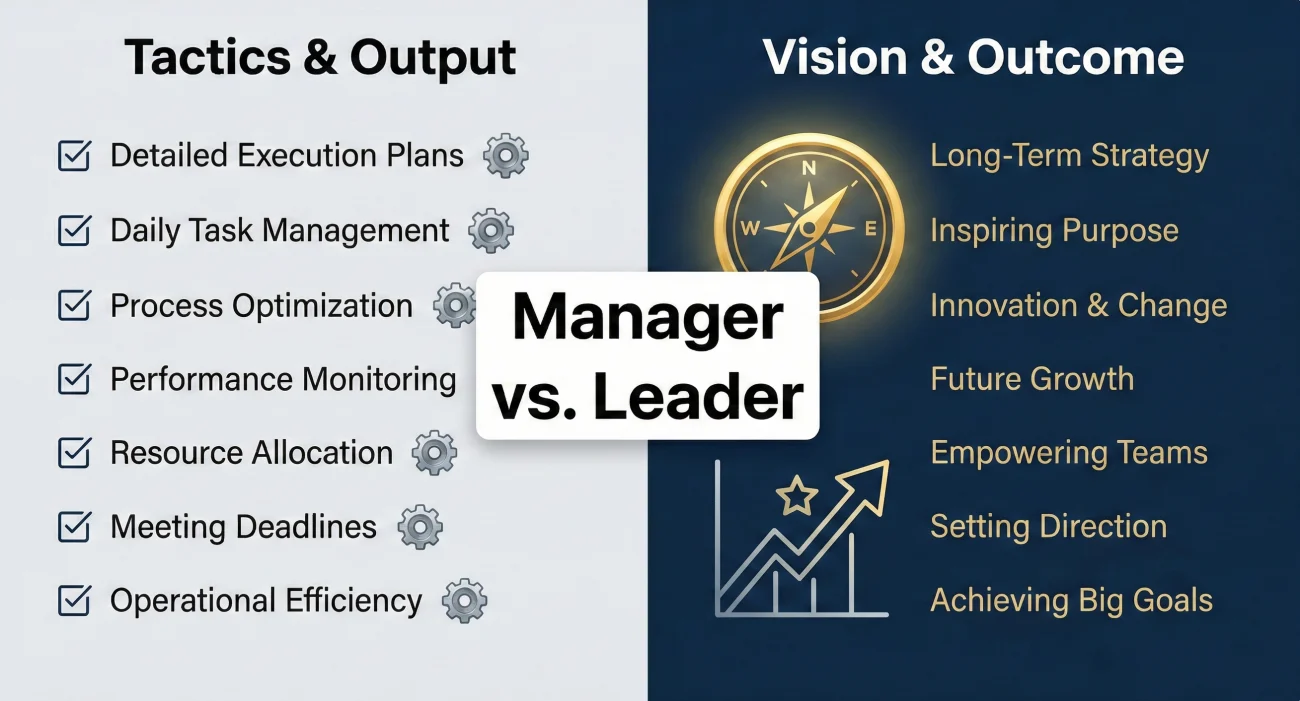
What differentiates a “manager” headline from a “leader” headline? It comes down to the altitude of the narrative. Individual contributors must prove they can do the work. Leaders must prove they can define the work.
From Tactics to Strategy
The most common error we see in executive profiles is a lingering attachment to tactical keywords. A Director of Engineering does not need to list “Java” or “AWS” in their headline. Listing the tools implies you are still holding the wrench. Instead, you must elevate the conversation to the result of the technology. Use language that signals organizational design and architectural strategy: “Building Scalable Engineering Cultures,” “Modernizing Legacy Infrastructure,” or “Aligning Tech Strategy with Business Goals.”
The Currency of Impact
At the executive level, your currency is business impact. It is not enough to say you “manage operations.” You must quantify the efficiency, the margin improvement, or the scalability you delivered. A headline like “COO | Scaling Operations from Series B to IPO” carries significantly more weight than “Experienced Chief Operating Officer.” The former promises a specific, high-value trajectory; the latter simply states a job history.
Signaling Thought Leadership
True leadership implies a point of view. It suggests that you are not just reacting to market trends, but shaping them. Incorporating elements of thought leadership – such as “Speaker,” “Board Advisor,” or “Author” – signals that your expertise is sought after beyond the walls of your current employer. It positions you as an industry node, a person of influence who attracts talent and capital.
“Your headline is the first test of your executive communication skills. If you cannot distill your own value proposition into 220 characters, how can you be trusted to articulate a company’s vision?”
5 Strategic Formulas for the C-Suite
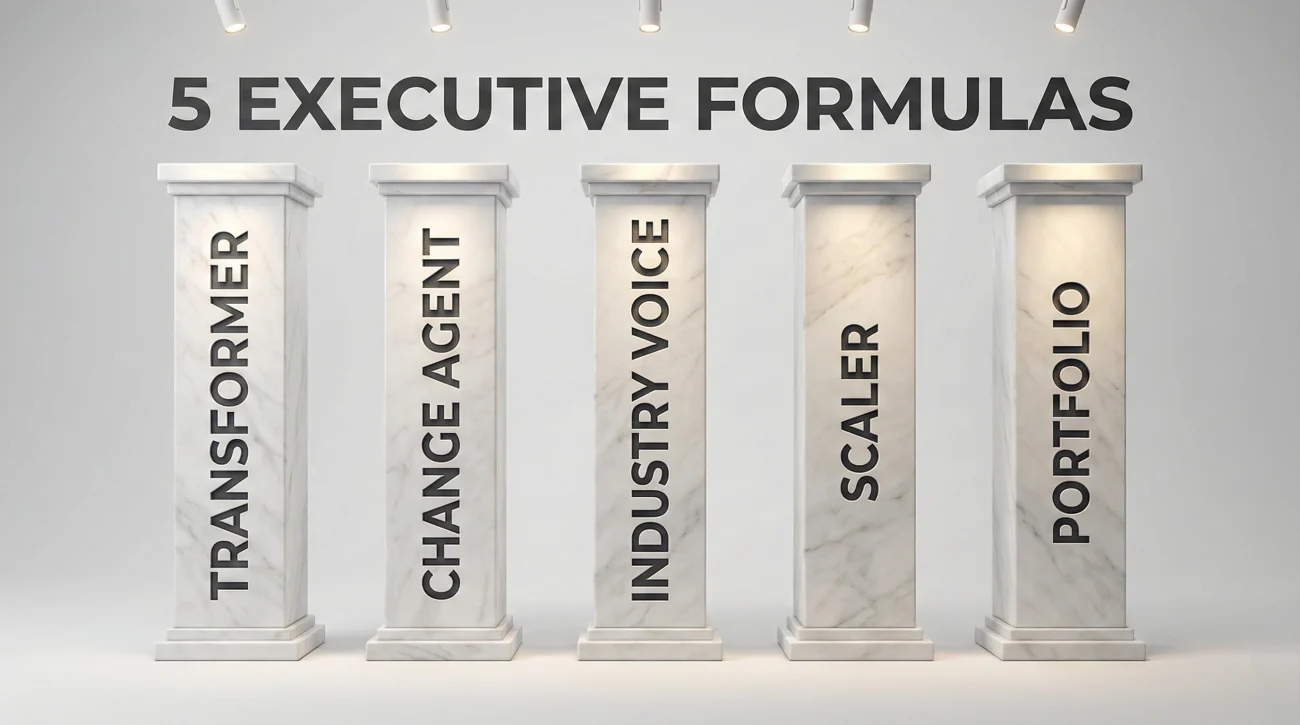
Executive branding requires precision. We have identified five distinct formulas that allow leaders to project authority while maintaining professional dignity.
1️⃣ Formula 1: The “Proven Transformer”
Formula 1: The “Proven Transformer”
Structure:
Role | Vision | Metrics
Example:
VP of Sales | Building High-Performing Revenue Engines | 3x Growth in 2 Years
The Strategy: This is the trifecta of executive positioning. It anchors the viewer with the Role (VP of Sales), establishes the Philosophy (Building Revenue Engines, not just “selling”), and validates the claim with hard Metrics (3x Growth). It answers the three questions every board asks: What can you do? How do you do it? Can you prove it?
2️⃣ Formula 2: The “Change Agent”
Formula 2: The “Change Agent”
Structure:
Role | Transformation Statement | Domain
Example:
Chief Technology Officer | Transforming Legacy Systems into Cloud-Native Architectures | FinTech & AI
The Strategy: Companies rarely hire executives to keep things exactly the same. They hire them to drive change. This formula highlights your specific “flavor” of transformation. It tells the recruiter exactly what problem you solve. If a company is struggling with technical debt, this headline lights up like a beacon.
3️⃣ Formula 3: The “Industry Voice”
Formula 3: The “Industry Voice”
Structure:
Title | Authority Marker | Platform
Example:
CMO | Thought Leader in Brand Strategy | Keynote Speaker & Forbes Council
The Strategy: This formula is powerful for leaders who view their personal brand as a corporate asset. By highlighting external validation (Speaking, Forbes Council), you increase your perceived value. It implies that you are at the bleeding edge of your field, which in turn elevates the brand of any company you join.
4️⃣ Formula 4: The “Scaler”
Formula 4: The “Scaler”
Structure:
Role | Growth Phase | Target Outcome
Example:
VP of Product | Scaling Product Orgs from Seed to Series B | Product-Led Growth
The Strategy: Executive roles are often stage-specific. The leader needed for a startup is different from the leader needed for a Fortune 500 turnaround. This formula creates niche authority. It effectively says, “I am the specialist for this specific phase of growth.” It repels the wrong opportunities and attracts the perfect ones.
5️⃣ Formula 5: The “Portfolio Professional”
Formula 5: The “Portfolio Professional”
Structure:
Primary Role | Advisory | Board
Example:
Former CEO | Board Director | Advisor to High-Growth SaaS Scale-Ups
The Strategy: As careers mature, many executives move into a “portfolio” phase where they hold multiple roles simultaneously. This formula balances the past (Former CEO) with the present (Board Director/Advisor). It signals availability for high-level strategic guidance rather than operational grunt work.
45+ Executive LinkedIn Headline Examples by Function
The following examples are designed to inspire. They demonstrate how to balance the gravitas of leadership with the specificity of your unique value proposition.
Chief Executive Officers & Founders
- ℹ️ CEO & Founder | Building the Future of Decentralized Finance | Backed by Sequoia
- ℹ️ Chief Executive Officer | Scaling B2B SaaS Companies to Exit | 2 Successful Acquisitions
- ℹ️ CEO | Transforming Healthcare Delivery Through AI & Digital Health Innovation
- ℹ️ Founder & CEO | Bootstrapped to $50M ARR | Building Purpose-Driven Cultures
- ℹ️ CEO | Turnaround Specialist | Restoring Profitability in Manufacturing Sectors
- ℹ️ Serial Entrepreneur | 3x Founder | Current CEO at [Company Name]
CFOs & Strategic Finance
- ℹ️ Chief Financial Officer | Strategic Partner to the CEO | Scaling from Series B to IPO
- ℹ️ CFO | Driving Operational Efficiency & Margin Expansion in Enterprise SaaS
- ℹ️ VP of Finance | FP&A Leader | M&A Strategy & Integration Expert
- ℹ️ CFO | Raised $150M+ in Venture Funding | Navigating Complex Capital Structures
- ℹ️ Finance Executive | Operational Excellence | Global Tax & Compliance Strategy
- ℹ️ CFO | Former Investment Banker | Building World-Class Finance Organizations
CTOs & Engineering Leadership
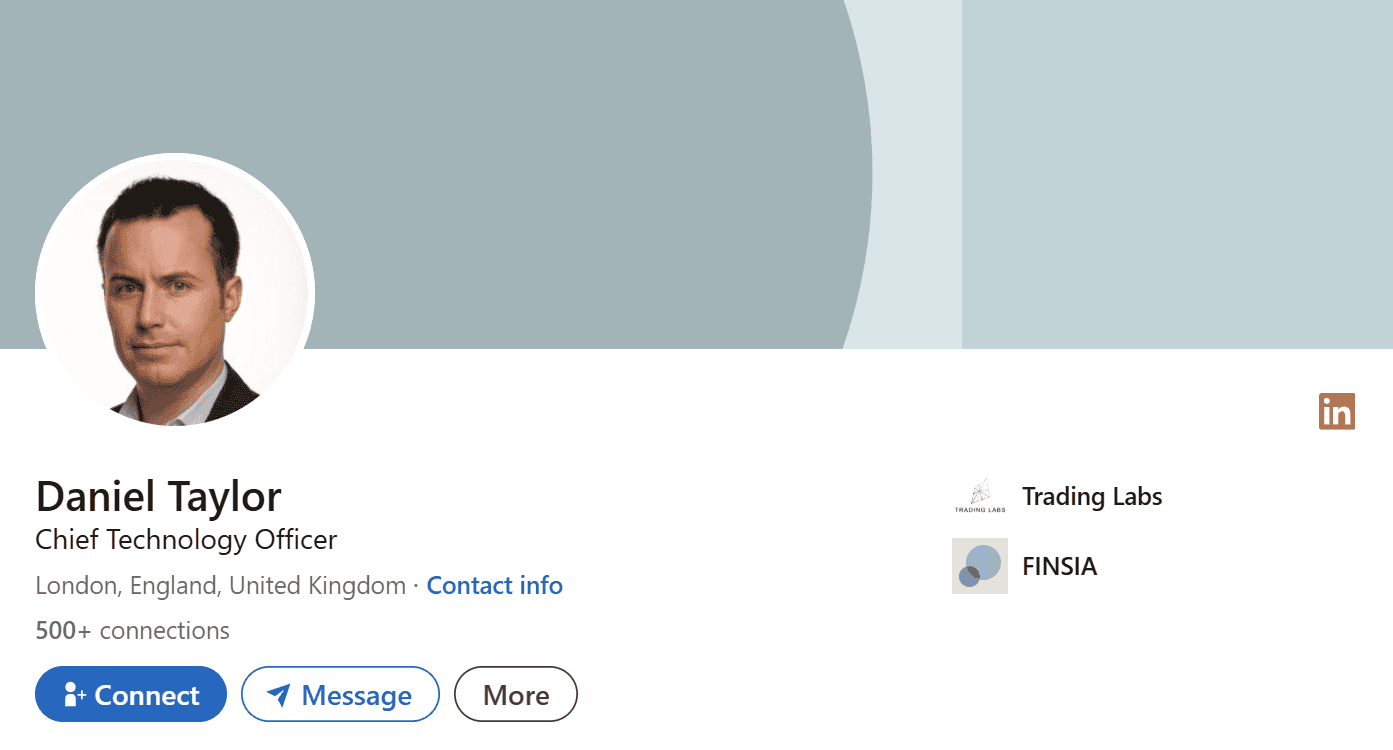
- ℹ️ Chief Technology Officer | Aligning Technical Strategy with Business Growth | Cloud & AI
- ℹ️ CTO | Modernizing Enterprise Architecture | Leading Global Teams of 500+
- ℹ️ VP of Engineering | 3x Team Growth | Improving Developer Velocity & Happiness
- ℹ️ CTO | Former Systems Architect | Building Secure, Scalable FinTech Platforms
- ℹ️ VP of Engineering | Engineering Culture Builder | Diversity & Inclusion Champion
- ℹ️ Chief Technology Officer | Open Source Strategy | Bridging Product & Engineering
CMOs & Brand Leadership
- ℹ️ Chief Marketing Officer | Building Category-Defining Brands | B2C Growth Expert
- ℹ️ CMO | Connecting Brand Vision to Revenue Reality | Scaling to $100M ARR
- ℹ️ VP of Marketing | Demand Gen & Pipeline Velocity | Account-Based Marketing (ABM) Leader
- ℹ️ CMO | Digital Transformation | Customer-Centric Storytelling & Experience
- ℹ️ Marketing Executive | Building and Mentoring High-Performance Creative Teams
- ℹ️ CMO | Product Marketing Specialist | Positioning Complex Tech for Mass Adoption
COOs & Operational Excellence
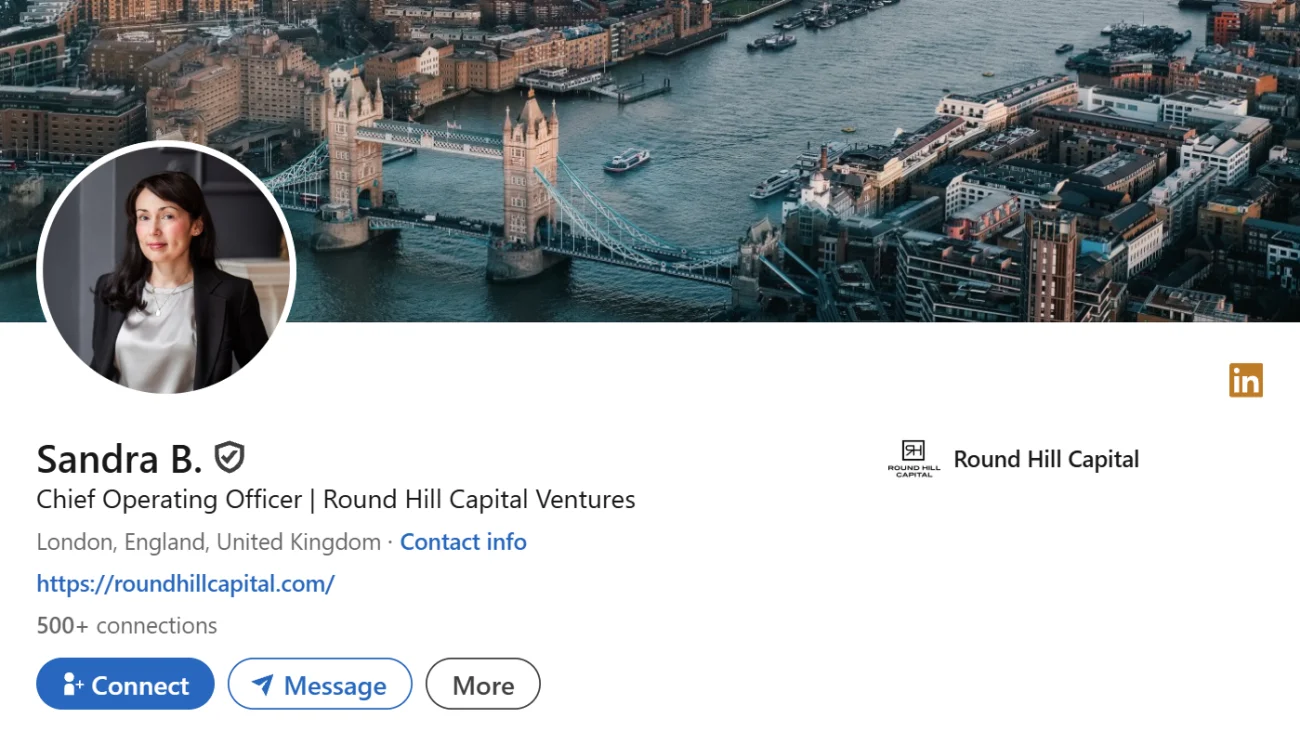
- ℹ️ Chief Operating Officer | The Bridge Between Strategy and Execution | Scaling 10x
- ℹ️ COO | Optimizing Global Supply Chains | Reducing Opex by 25%
- ℹ️ VP of Operations | Process Architecture | Lean Six Sigma Master Black Belt
- ℹ️ COO | Former Management Consultant | Driving Organizational Agility
- ℹ️ Operations Executive | Mergers & Acquisitions Integration | Change Management
- ℹ️ COO | Revenue Operations Leader | Unifying Sales, Success, and Marketing
CPOs & Product Vision
- ℹ️ Chief Product Officer | Building Products That Define Categories | User-Obsessed
- ℹ️ CPO | From 0 to 1 to Scale | Navigating Product-Market Fit
- ℹ️ VP of Product | Data-Driven Product Strategy | PLG (Product-Led Growth) Expert
- ℹ️ Chief Product Officer | Integrating AI into Enterprise Workflows | Innovation Leader
- ℹ️ Product Executive | Bridging the Gap Between Engineering & Business Needs
- ℹ️ CPO | Portfolio Management | Maximizing Customer Lifetime Value
CROs & Revenue Strategy
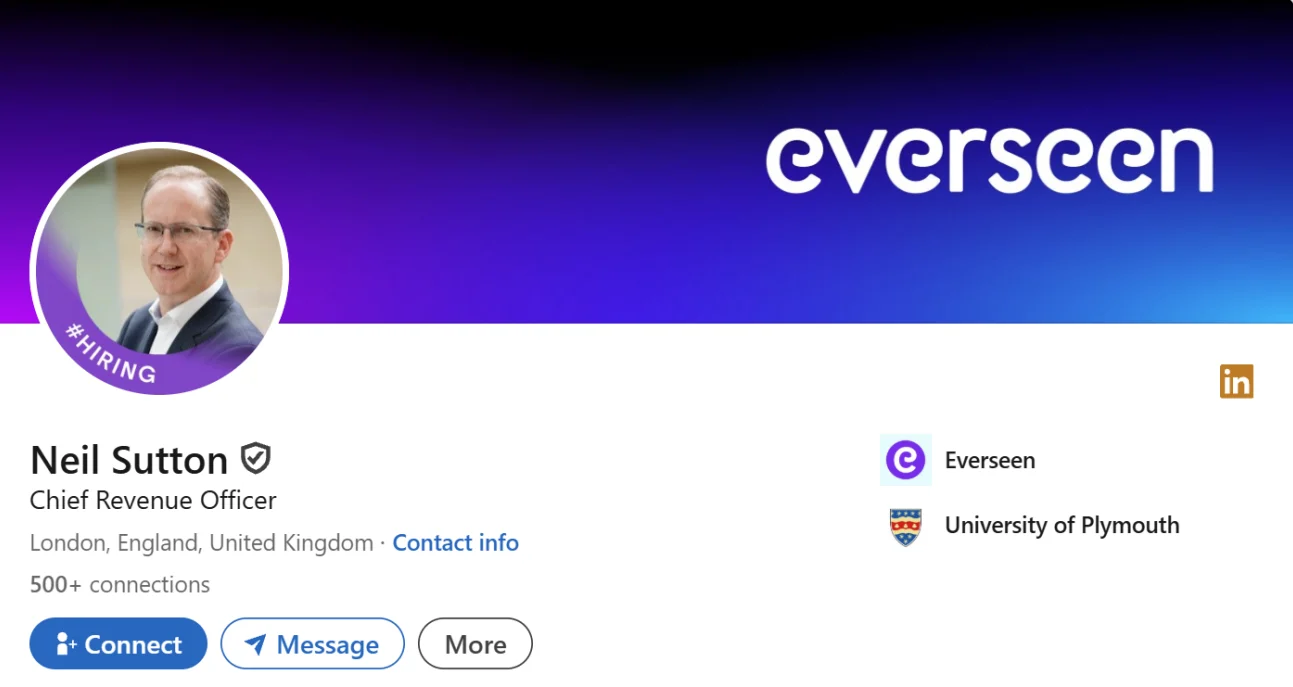
- ℹ️ Chief Revenue Officer | Architecting Predictable Revenue Engines | $0-$50M ARR
- ℹ️ CRO | Unifying the Go-To-Market Motion | Sales, Marketing, CS Alignment
- ℹ️ VP of Sales | Enterprise Deal Structuring | Building Consistent Quota Attainment
- ℹ️ Chief Revenue Officer | Global Sales Strategy | Opening New International Markets
- ℹ️ CRO | Transforming Sales Culture | From Relationship-Based to Value-Based Selling
- ℹ️ Revenue Executive | Customer Retention & Expansion | Net Revenue Retention >120%
CHROs & Talent Strategy
- ℹ️ Chief People Officer | Culture as a Competitive Advantage | Future of Work Leader
- ℹ️ CHRO | Talent Acquisition Strategy for Hyper-Growth | Scaling 50 to 500 Employees
- ℹ️ VP of People | DEI Strategy | Building Inclusive & Equitable Workplaces
- ℹ️ Chief Human Resources Officer | Executive Compensation & Total Rewards Strategy
- ℹ️ People Executive | Organizational Design | Navigating Complex Change Management
- ℹ️ CHRO | Aligning People Strategy with Business Outcomes | Employee Experience
VPs & Senior Directors
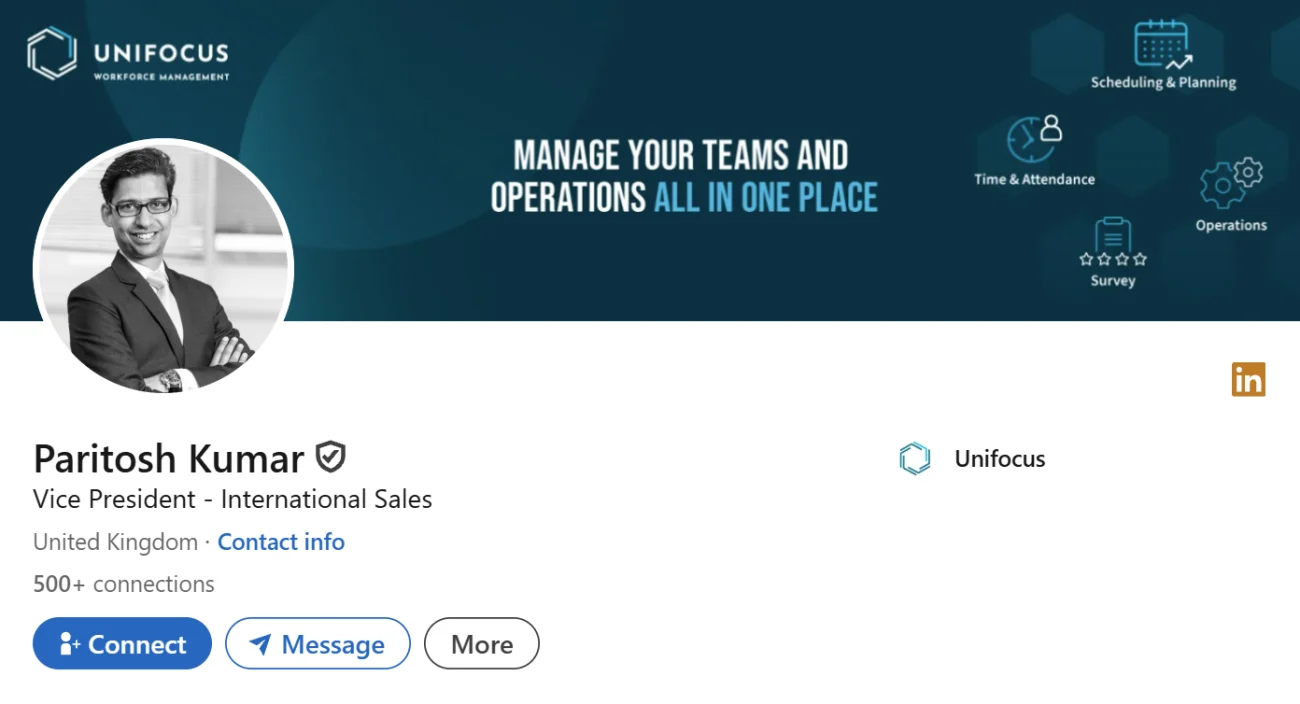
- ℹ️ VP of Sales | Challenger Sales Methodology | Turning Around Underperforming Regions
- ℹ️ Director of Engineering | Technical Mentorship | Scaling Distributed Teams
- ℹ️ VP of Customer Success | Turning Support into a Revenue Driver | NRR Focus
- ℹ️ Director of Product Marketing | Compelling Narratives for Technical Products
- ℹ️ VP of Data Science | Turning Big Data into Actionable Business Intelligence
- ℹ️ Director of UX | Design Thinking Evangelist | Creating Frictionless Experiences
Advisors & Non-Executive Directors
- ℹ️ Strategic Advisor | Governance & Risk | Helping Boards Navigate Uncertainty
- ℹ️ Executive Coach | Unlocking Potential in First-Time Founders | Leadership Development
- ℹ️ Board Member | Technology & Cyber Security Committee | Risk Mitigation
- ℹ️ Industry Fellow | Sustainable Supply Chains | Author of [Book Title]
- ℹ️ Strategic Advisor | M&A Due Diligence | Private Equity Operating Partner
- ℹ️ Interim Executive | Crisis Management & Stabilization | Steady Hands in Turbulent Times
The “Visionary” Trap: Common Executive Mistakes
There is a fine line between confident positioning and confusing jargon. Executives often fall into specific traps that undermine their credibility.
| ❌ The Mistake | ✅ The Fix | 💡 The Rationale |
|---|---|---|
| The “Naked Title” “VP of Marketing” | The “Value-Add” “VP of Marketing | Driving 40% Growth” | A title tells us your rank. A value statement tells us your worth. Don’t make the recruiter guess your impact. |
| The “Buzzword Salad” “Visionary Change Agent | Synergy Guru” | The “Specific Transformer” “CTO | Transforming Legacy Systems” | “Visionary” is an opinion. “Transforming Systems” is a fact. Stick to verifiable claims. |
| The “Doer” Trap “Managing a team of 50” | The “Builder” Frame “Building Scalable Organizations” | Managing is maintenance. Building is growth. Investors pay for growth, not maintenance. |
| The “Past Tense” “Former CEO at OldCo” | The “Current Value” “Advisor | Former CEO | Helping Scale-Ups” | Don’t define yourself by what you used to do. Define yourself by how that experience adds value now. |
The Executive Headline Framework
Constructing your headline is a process of distillation. You must boil down decades of experience into a concentrated essence. Follow this four-step protocol.
Step 1: Anchor with Authority
Start with your highest leverage title. If you are a C-level executive, state it clearly. If you are a VP at a major brand (e.g., “VP at Google”), the brand equity of the company is part of your authority anchor. Do not be cute with your title. “Chief Happiness Officer” does not play well in the boardroom.
Step 2: Define the Transformation
Executives are hired to take a company from Point A to Point B. What is your Point B? Do you take companies from chaos to order? From local to global? From stagnation to growth? Define the vector of your leadership.
Step 3: Validate with Data (The “Proof”)
If you have numbers that can be shared publicly, use them. Numbers cut through the noise of subjective claims. “3x Revenue” is a universal language. If you cannot share specific revenue figures due to confidentiality, use percentages or team growth metrics.
Step 4: Target the Environment
Context matters. A “turnaround CEO” is different from a “growth CEO.” A “B2B” leader is different from a “DTC” leader. Add the context that acts as a filter. You want to attract opportunities that fit your specific zone of genius.
“Your headline should answer the unspoken question of every executive recruiter: ‘If we hire this person, what problem goes away?'”
The Language of Leadership: Buzzwords vs. Power Words

Language signals status. Low-status language tries to impress with complexity. High-status language impresses with clarity.
The “Do Not Fly” List
Eliminate these terms from your vocabulary immediately. They have become semantic satiated – heard so often they have lost all meaning.
- ❌ “Guru” / “Ninja” / “Rockstar” (Unprofessional)
- ❌ “Visionary” (Let others call you this)
- ❌ “Results-Oriented” (This is the minimum requirement for employment)
- ❌ “Strategic Thinker” (Show, don’t tell)
- ❌ “Change Agent” (Too vague)
The Executive Lexicon
Replace the fluff with words that imply movement, structure, and outcome.
- ✅ Instead of “Managing”: Use “Orchestrating,” “Architecting,” “Scaling.”
- ✅ Instead of “Changed”: Use “Transformed,” “Revitalized,” “Modernized.”
- ✅ Instead of “Helped”: Use “Championed,” “Spearheaded,” “Accelerated.”
The Nuance of Metrics at the Top
Using numbers requires finesse at the executive level. You must balance the need for proof with the need for discretion.
The Green Light
Use metrics when they highlight your personal efficacy in driving the business forward. “Scaled ARR from $10M to $50M” is the gold standard. It proves you know the playbook for that specific growth phase.
The Red Light
Avoid metrics that sound too tactical. “Managed a budget of $50k” sounds junior. “Optimized P&L for a $500M Division” sounds executive. Also, be hyper-aware of confidentiality agreements. It is often safer to use percentages (“Increased EBITDA by 15%”) than absolute dollar amounts if the company is private.
From Executive to Authority
In the modern digital economy, the CEO is often the Chief Brand Officer. Your personal reputation is a lever for the company’s success.
The Speaker’s Podium
If you speak at industry conferences, this is a major credibility signal. It says, “Peers pay to hear my opinion.” Include “Keynote Speaker” or “Industry Speaker” to differentiate yourself from the silent majority.
The Boardroom Table
Board seats are the ultimate validation of executive expertise. Even if you are an advisor to a small startup, listing “Board Advisor” changes how you are perceived. It signals that you have moved from “player” to “coach.”
Mastering the Portfolio Career Headline

The linear career path is ending. Many executives now hold a basket of roles: a primary gig, a few board seats, maybe an angel investment portfolio. How do you fit this into one line?
The Hierarchy of Roles
You must decide on your primary identity. Are you an Operator who advises on the side? Or are you a Professional Director?
The Operator-First Model: “CEO at TechCo | Board Member at EduCo”
This signals: “I am still in the game, but I have governance experience.”
The Advisor-First Model: “Independent Board Director | Audit Committee Chair | Former CFO”
This signals: “I am available for governance roles. I have retired from operations.”
Pro Tip: Do not list every single advisory role. “Advisor to 10+ Startups” is better than listing three obscure company names. It suggests volume and demand.
The Executive Profile Audit
Before you publish, subject your headline to this stress test:
- ✅ The Altitude Test: Does this sound like a leader or a manager?
- ✅ The Value Test: Is my strategic value proposition clear?
- ✅ The Proof Test: Have I included a metric or authority marker?
- ✅ The Jargon Test: Have I removed “Visionary” and “Guru”?
- ✅ The Context Test: Is my industry and stage expertise obvious?
- ✅ The Ego Test: Is it confident without being arrogant?
❓ Frequently Asked Questions
💼 Should I use “Chief” or abbreviate to “C-level”?
📊 How do I write a headline if I’m between executive roles?
🎯 Can I mention company names in my leadership headline?
🔄 Should executives use “thought leader” in their headline?
💡 How humble vs. confident should leadership headlines be?
Final Thoughts: The Boardroom is Watching
Your leadership LinkedIn headline is more than just text on a screen; it is your digital handshake. In an era where executive search happens primarily online, your headline is often the only chance you get to make a first impression on the people who control your next career move.
The difference between “VP of Marketing” and “VP of Marketing | Building High-Performing Teams | 40% YoY Revenue Growth | B2B SaaS” is profound. One is a job title; the other is a solution to a business problem. Boards, investors, and CEOs are looking for solutions. They are looking for leaders who understand their own value and can articulate it with precision.
As you refine your profile, remember that true authority does not need to shout. It does not need to hide behind buzzwords or vague generalities. It stands on the solid ground of vision, impact, and results. Make your headline a reflection of the leader you have become, and the leader you aspire to be.
Ready to elevate your executive presence? Check out our complete LinkedIn headline guide or explore more examples in our headline library.