Witty & Funny LinkedIn Headline Examples (Use With Caution)

Witty & Funny LinkedIn Headline Examples

Strategic paradox: Humor can boost memorability but can also tank credibility if the reader does not share your context. Recruiter psychology: Humor adds cognitive friction, triggers risk aversion, and can be misread without tone cues. Risk reward tradeoff: You often sacrifice searchability for recall, so humor fits strong networks more than active job seekers. Safe

How to Add Pronouns to Your LinkedIn Profile (And Should You?)

How To Add Pronouns To Your LinkedIn Profile

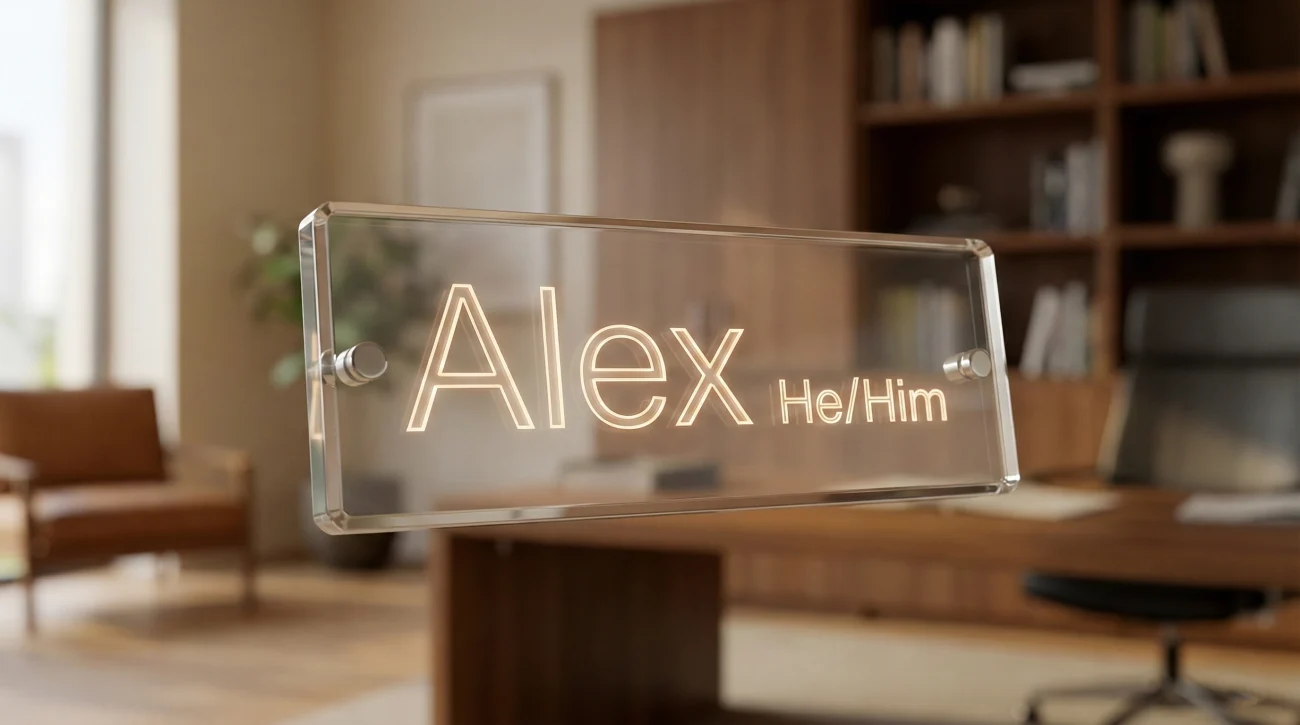
Core point: Use LinkedIn’s native pronoun feature, not manual pronouns inside the 220-character headline. Why it matters: Native pronouns preserve headline SEO space, improve accessibility, and let you control visibility. Strategic trade-off: Pronouns can signal inclusivity and reduce misgendering, but may trigger bias in conservative sectors. Industry norms: Tech, creative, and NGO are early adopters;

Should You Use Emojis in Your LinkedIn Headline? (Pros & Cons)

Should You Use Emojis In Your LinkedIn Headline

Core idea: Emojis are “digital body language” that can add tone and stop the scroll, but they can also leak credibility if misused. Psychology: One emoji can act like a visual stop sign and set an emotional prime, but it can trigger “juvenile bias” in high-gravitas roles. Technical reality: Emojis do not count as keywords,

5 Before-and-After LinkedIn Headlines That Landed Interviews

5 Before And After LinkedIn Headlines That Landed Interviews

Core claim: Headline optimization produces measurable results when you engineer for recruiter search and hiring psychology. Proof pattern: Five case studies show “fluff to facts” rewrites that move people from zero inbound to interviews and offers within weeks. What changes: Replace subjective adjectives with exact role keywords, hard skills, niche context, and one proof marker

7 Common LinkedIn Headline Mistakes You Must Avoid

7 Common LinkedIn Headline Mistakes You Must Avoid

Core reality: LinkedIn is a search engine first, so your headline is primary metadata and bad choices make you effectively invisible. Buzzword trap: Replace subjective adjectives with objective signals like real skills, scope, outcomes, and measurable proof. Semantic failure: Drop cute “ninja/guru” titles and the default “Title at Company”, use a standard role name plus

The Psychology Behind a Good LinkedIn Headline (Why They Click)

The Psychology Behind A Good LinkedIn Headline

Core idea: Your headline is processed in seconds, so cognitive ease beats creativity and vague branding. Recruiter reality: Decision fatigue turns reading into pattern matching, so standard titles and exact keywords win clicks. 3 shortcuts: Prototype match, familiarity anchors, and the first 3 to 5 words shape how everything else is judged. 4 signals: Trust

10 LinkedIn Headline Formulas That Actually Work (Deep Dive)

10 LinkedIn Headline Formulas That Actually Work

Mindset shift: Stop treating your headline like a label, use it as positioning that follows you in search, comments, and recommendations. 10 formulas: Pick from Search-First, Authority Anchor, Solution Seller, Expert Stack, Executive Scope, plus 5 advanced frameworks for pivots, hybrids, geography, growth stage, and pure results. Choose by goal: Match the formula to what

Top 50 LinkedIn Skills Recruiters Are Searching For

Top LinkedIn Skills Recruiters Are Searching For

Core reality: Recruiters filter before they read, and your Skills list is a major ranking input, so missing target skills can make you invisible. Standardization rule: Use LinkedIn auto-suggested skill names, because creative labels break the recruiter search match. Hard vs soft balance: Hard skills drive search visibility, soft skills support trust, so pin the

How Often Should You Update Your LinkedIn Headline? (Best Practices & When to Change)

How Often Should You Update Your LinkedIn Headline

Core tension: Balance Stability for trust and memory with Fluidity for relevance and discoverability. Update cadence: Default to 6 to 12 month keyword audits, then change only when a real trigger happens, not for tiny tweaks. Mandatory triggers: Update after role change, career pivot, major credential, new service launch, or a 90-day performance drop in

How to Write a Strong LinkedIn About Section That Stands Out

How To Write A Strong LinkedIn About Section That Stands Out

Core idea: Your Headline earns the click, but your About section closes the deal by proving you can solve a specific problem. Reader psychology: People scan for Relevance, Authority, and Likability, so you must lead with keywords plus credible proof fast. Conversion Architecture: Hook (first 2 lines), Bridge context, Your philosophy, Evidence locker with metrics,

How Recruiters Actually Use LinkedIn Search (Algorithm Revealed)

How Recruiters Actually Use LinkedIn Search (Algorithm Revealed)

Core reality: Recruiters use LinkedIn like a database via LinkedIn Recruiter, so you must optimize for filters before humans read you. Search funnel: They exclude first using Location, Title, Years, then Hard skills, then Pedigree or competitor context. Boolean language: Profiles get found when you include standard titles, true synonyms, and the exact skill terms

The Ultimate LinkedIn Profile Checklist (2025 Edition)

The Ultimate LinkedIn Profile Checklist (2025 Edition)

Core shift: Your LinkedIn profile is an algorithm-driven landing page, not a static digital resume. 3-engine audit: Visuals (Trust), SEO (Visibility), Narrative (Conversion) must work together or the profile will not convert. Visual trust checklist: Fix headshot quality and framing, replace the default banner, and ensure everything reads clean on mobile. SEO checklist: Start with

How to Make Your LinkedIn Profile Searchable (Recruiter Tips)

How To Make Your LinkedIn Profile Searchable

Visibility gap: Competence does not equal visibility because LinkedIn works like a searchable database, not a social feed. Recruiter funnel: You must survive Boolean filters, rank high in relevancy sorting, and win the headline plus photo visual scan. Headline SEO: Start with a standard anchor title recruiters search, then add hard skills and context instead

5 Free LinkedIn Headline Generators vs. Human Writing

LinkedIn Headline Generators Vs Human Writing

Main warning: One-click LinkedIn headline generators usually average you out into bland buzzwords that recruiters ignore. Why AI feels “off”: It lacks edge, invents passion, and misses the reader context, so it triggers a human spam filter. Tool reality check: Raw engines can work with strict constraints, wrappers help brainstorming, and career-platform generators often sound

LinkedIn Headline for Data Analysts: Examples that Get You Hired

LinkedIn Headline For Data Analyst

Why The Headline Matters: It is the main field LinkedIn and recruiters scan and filter, so “Data Analyst at X” makes you invisible. Headline Anatomy: Combine Stack (SQL, Python, Tableau or Power BI), Domain (FinTech, SaaS, Healthcare), And Outcome (Revenue, Cost, Time saved) inside 220 characters. T-Shaped Signal: Use Hard skills to get found, then

Keyword-Optimized LinkedIn Headlines: Attract Recruiters Instantly

Keyword Optimized LinkedIn Headlines

Core reality: If your headline does not match recruiter search terms, you can be qualified and still stay invisible. Algorithm priority: The Headline is the most weighted field, and exact-match titles and hard skills rank best. Build it with formulas: Use Role + Skills + Industry, add a second title when synonyms exist, or lead